The Big Leap from Car-Lite to Car-Free


While owning a car is a massive financial burden, economic incentives can still get in the way of the transition from car ownership to living car-free, even if you already don’t drive much.
As Shane Phillips at Network blog Better Institutions explains today, it’s a classic problem of “sunk costs”:
When someone is interested in shifting from car dependence to greater reliance on active and public transportation, they’re often faced with a problem: the vehicle itself, one of the greatest costs of car ownership, is already paid for. Unlike gasoline and parking, which are relatively fixed and recurring expenses, a car is a sunk cost–the purchase is in the past, and much of its value is irretrievable. At that point the only really noticeable costs of driving–the ones that affect you on a regular basis–are gas, insurance, maintenance, and parking. Taking only these into consideration can make driving seem much more affordable.
This is less applicable to those who wish to sell off their vehicle and abandon car ownership entirely, but few people are willing to take such a leap without trying a car-lite lifestyle first. For those who just want to dip their toes in the water, to try something between complete car dependence and complete transit dependence, using public transportation isn’t so much a replacement and reduction of costs as it is an additional cost. Not only do you still have to pay for insurance and some gas, you now have to pay for bus fare as well, and suddenly the savings don’t seem like such a great deal compared to the relative inconvenience of transit (excluding the few places in the country where transit is actually more convenient). It’s a catch-22: as long as you’re holding onto the car you’re not saving a lot of money, but unless you’re saving a lot of money you may not be convinced to get rid of the car.
This problem is compounded by something I’m calling “Sunk Cost Bias,” the tendency to try to make the most of your investment by driving more. This may sound foolish since the more you drive the more the costs pile up, but, in a way, it’s also perfectly sensible. After all, the more miles you get out of your car, the lower the per-mile cost of ownership. And if you’ve already got the car and don’t have a monthly transit pass, a trip on the bus or train can actually cost more than driving if you’re only going a short distance.
Phillips recommends some policies to make the transition easier, including mileage-based insurance and a vehicle-miles traveled tax. Special introductory rates for transit passes could also help nudge light drivers into the car-free realm. In the meantime, renting out a rarely-used car through a peer-to-peer car-sharing network could help make occasional transit use more financially rewarding.
Elsewhere on the Network today: Reconnecting America considers how the bias of traffic engineers may hold back progress on complete streets. The Black Urbanist shares two low-cost and creative changes that helped enliven two streets in North Carolina. And Cap’n Transit says evidence from abroad proves that long-distance train routes aren’t inherently unworkable.

Read More:
Support Streetsblog
Streetsblog has migrated to a new comment system. New commenters can register directly in the comments section of any article. Returning commenters: your previous comments and display name have been preserved, but you'll need to reclaim your account by clicking "Forgot your password?" on the sign-in form, entering your email, and following the verification link to set a new password — this is required because passwords could not be carried over during the migration. For questions, contact tips@streetsblog.org.
More from Streetsblog USA
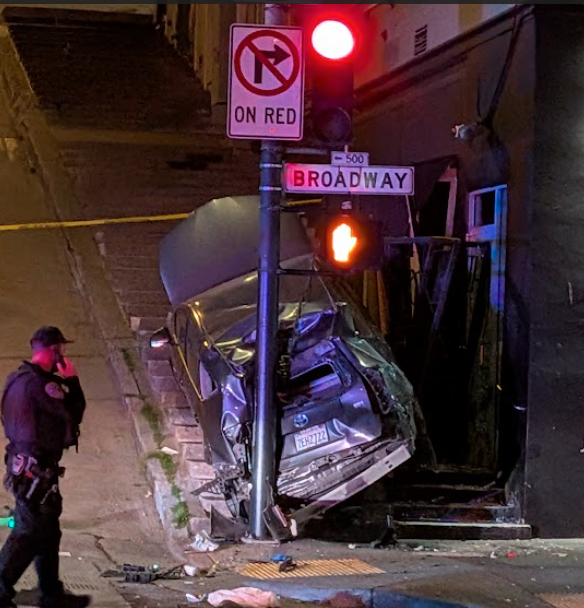
Motorist Careens onto North Beach Sidewalk, Killing Pedestrian
Driver kills pedestrian at another location where a safety project festered
The post Motorist Careens onto North Beach Sidewalk, Killing Pedestrian appeared first on Streetsblog San Francisco.