Obama’s 2014 Transpo Budget Calls for Higher Spending, HSR
The Obama Administration has put forward an opening bid in what are sure to be contentious 2014 budget negotiations, issuing a solidly progressive transportation budget that calls for increased overall spending and continued investment in passenger rail.

The $76 billion transportation budget would represent a 5.5 percent, or $4 billion, spending increase over 2012 levels.
In addition, the president repeated his call for $50 billion in stimulus-style funding in 2014. Of this one-time funding infusion, $40 billion would be reserved for “fix-it-first” projects aimed at bringing the nation’s roads, bridges, and transit systems into a state of good repair. The other $10 billion would be offered on a competitive basis to “innovative” projects, through programs like TIGER.
The $50 billion infrastructure-spending stimulus is a proposal we’ve seen Obama float several times in the last few years. In the 2014 budget proposal it is again packaged as a jobs program.
“These investments would create hundreds of thousands of jobs in the first few years and in industries suffering from protracted unemployment,” the document says.
The administration’s budget also demonstrates that the president has not abandoned his high-speed rail ambitions. The budget proposes $40 billion for passenger rail programs over five years, aimed at making rail more widely accessible and convenient. It’s essentially his outline for a passenger rail (PRIIA) reauthorization. He even stuck to his goal of providing 80 percent of Americans with rail access, though years of funding setbacks have tempered his ambitions some — he now pledges that 80 percent of the population will have “convenient access to a passenger rail system, featuring high-speed service” — not that they’ll all have high-speed rail service.
Obama’s proposal would fully fund the most recent transportation law, MAP-21 — which seems obvious, but hasn’t been the reality up until now — and pledges a 25 percent increase in funding after that law expires.
The budget also allows for the creation of a transportation “reserve account” not tied to gas tax revenues, as did the Senate budget, introduced last month. Such an account could be another source of transportation funds — if there were any money to put into it, which there currently isn’t.
The overall budget, the Obama Administration said, “represents $2 in spending cuts for every $1 in new revenue.” The President’s proposal draws additional transportation dollars from savings from drawdowns in Iraq and Afghanistan. As in previous years, Obama hasn’t gotten specific about where transportation dollars would come, nor has he offered any ideas for making the Highway Trust Fund financially sustainable.
Advocates for smart growth praised the president’s proposal.
“Building strong communities is a key part of America’s economic growth, and I applaud the President for investing in programs that do just that in his FY 2014 budget,” Smart Growth America President and CEO Geoff Anderson said in a press release. “Investments in infrastructure and ‘fix it first’ projects will help businesses compete in the 21st century economy and will help working Americans get where they need to go more easily and more efficiently.”
The reaction wasn’t all positive, though. Clarence Anthony, executive director of National League of Cities, condemned a portion of the proposal that would cap the amount of municipal bond interest that can be deducted from taxes, saying it “undermines the President’s laudable goal of expanding investment in our nation’s poorly performing infrastructure.”

Read More:
Streetsblog has migrated to a new comment system. New commenters can register directly in the comments section of any article. Returning commenters: your previous comments and display name have been preserved, but you'll need to reclaim your account by clicking "Forgot your password?" on the sign-in form, entering your email, and following the verification link to set a new password — this is required because passwords could not be carried over during the migration. For questions, contact tips@streetsblog.org.
More from Streetsblog USA
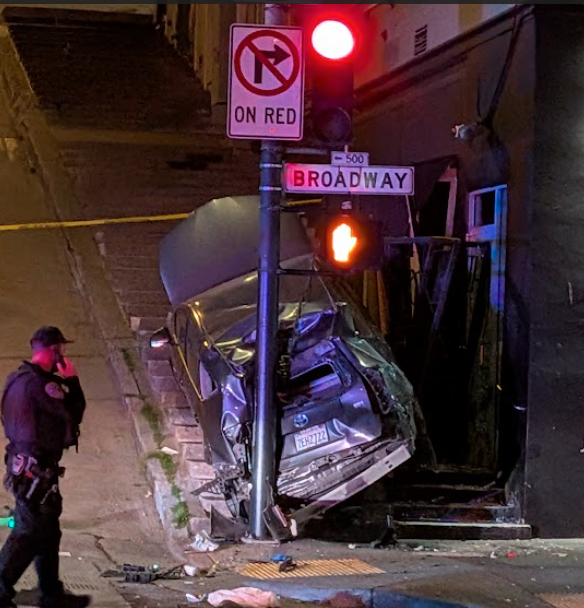
Motorist Careens onto North Beach Sidewalk, Killing Pedestrian
Driver kills pedestrian at another location where a safety project festered
The post Motorist Careens onto North Beach Sidewalk, Killing Pedestrian appeared first on Streetsblog San Francisco.