Making Your City More Walkable? That’s Not “Zoning”
In last week’s Washington Post, Roger K. Lewis, an architect and professor at the University of Maryland, wrote an intriguing column suggesting that it’s time for a big rethink of the concept of zoning, which he says is a relic of the early 20th century:

Zoning conventions are no longer conventional. Land-use regulation is still needed, but zoning increasingly has become a conceptually inappropriate term, an obsolete characterization of how we plan and shape growth.
Zoning laws were first conceived at the outset of the industrial era. At the time, the economy was dominated by factories churning out noxious byproducts of all kinds, from sludge to foul fumes to loud noises. The original zoning laws sought to segregate homes from businesses that might be nuisances — a legacy that American cities and towns are still living with:
Traditional zoning first took hold in the early 20th century with a clearly logical intent, as the word implies: to establish and keep apart discretely delineated areas of land use within counties and municipalities. Single-purpose zones ensured separation of incompatible uses such as dwellings and factories.
But that’s not what “zoning” is all about anymore. Lewis’s example — Washington, D.C. — is examining and revising all kinds of long-standing regulations, from minimum parking requirements to its famous height restrictions. These reforms seek to change cities in a way that’s completely distinct from segregating uses. The intent of reducing parking requirements, for instance, is to make places more walkable and reduce housing costs.
Since the way we design and regulate cities is changing so quickly, Lewis suggests that maybe it’s time we had a new word too:
Dropping the word ‘zoning’ necessitates using an alternative vocabulary. It’s time to talk less about zoning restrictions and limits and more about visionary plans, urban design goals and architectural aspirations.

Read More:
Streetsblog has migrated to a new comment system. New commenters can register directly in the comments section of any article. Returning commenters: your previous comments and display name have been preserved, but you'll need to reclaim your account by clicking "Forgot your password?" on the sign-in form, entering your email, and following the verification link to set a new password — this is required because passwords could not be carried over during the migration. For questions, contact tips@streetsblog.org.
More from Streetsblog USA
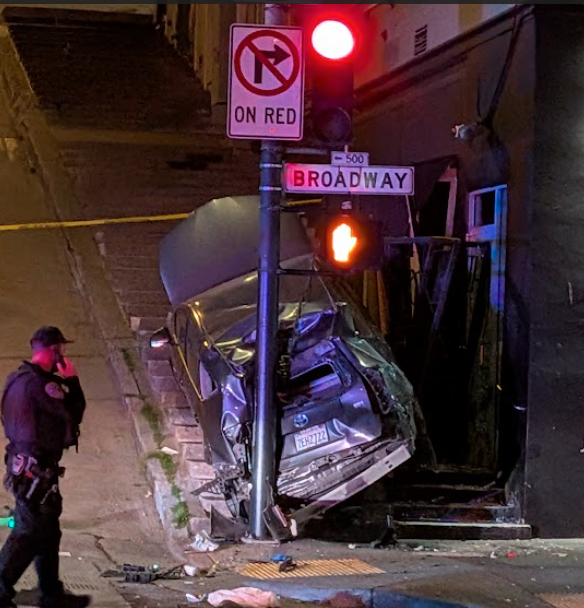
Motorist Careens onto North Beach Sidewalk, Killing Pedestrian
Driver kills pedestrian at another location where a safety project festered
The post Motorist Careens onto North Beach Sidewalk, Killing Pedestrian appeared first on Streetsblog San Francisco.