UDPATE: U.S. DOT’s First-Ever Freight Plan May Include 3,000 New Highway Miles
UPDATE 6/5/13: Four months after publishing this article we suddenly realized we may have misinterpreted LaHood’s quote. We checked with U.S. DOT and they confirmed we were right about being wrong. When he said that the department would “chart a primary network of up to 27,000 miles of existing interstates and other roads” and “consider adding as many as 3,000 more miles in the future,” what he meant was that the law had given the department the mandate to create a 27,000-mile freight network with the option of adding another 3,000 miles — of existing highways — to the network later.
It’s hard to believe, but, despite the fact that freight makes up 25 percent of all transportation emissions, the nation has never had a strategic plan for how to move goods.

Under the MAP-21 transportation bill, however, those days are history. Outgoing U.S. Transportation Secretary Ray LaHood announced on his blog yesterday that U.S. DOT will establish a national freight policy and a National Freight Advisory Committee.
As part of the plan, unfortunately, LaHood floated the idea of adding thousands of miles of highways to the interstate system.
He detailed the woes of truck drivers who struggle with congestion, and instead of recommending a switch to a more multi-modal system, said U.S. DOT would look to road-building as the answer.
“So we’ll chart a primary network of up to 27,000 miles of existing interstates and other roads,” LaHood wrote. “And we’ll consider adding as many as 3,000 more miles in the future if that’s what it takes to help our truckers deliver the goods.”
LaHood was careful to explain that planning would also include freight that moves over rail and waterways.
The fact that 3,000 new miles of interstate are now on the table makes it more important than ever It is important that the new National Freight Advisory Committee represent multi-modal interests, not just trucking. U.S. DOT is seeking nominations for the committee now.
LaHood hinted that that was the intention: “By engaging stakeholders representing diverse interests — from safety and the environment to labor and industry — the Advisory Committee will provide recommendations on how DOT can improve its freight transportation policies and programs,” he wrote.

Read More:
Streetsblog has migrated to a new comment system. New commenters can register directly in the comments section of any article. Returning commenters: your previous comments and display name have been preserved, but you'll need to reclaim your account by clicking "Forgot your password?" on the sign-in form, entering your email, and following the verification link to set a new password — this is required because passwords could not be carried over during the migration. For questions, contact tips@streetsblog.org.
More from Streetsblog USA
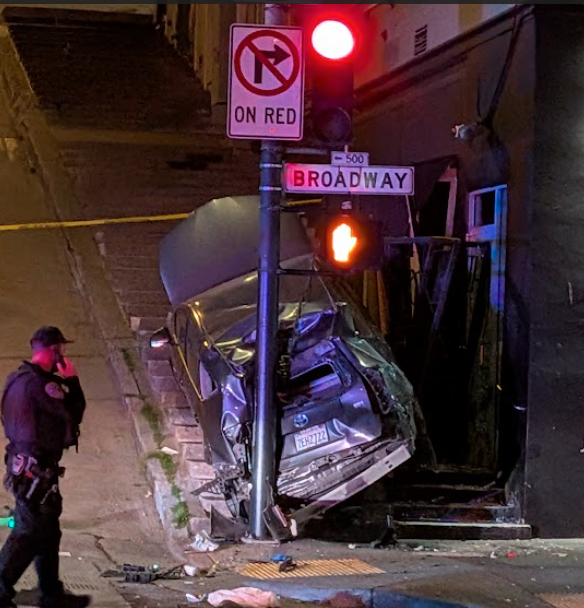
Motorist Careens onto North Beach Sidewalk, Killing Pedestrian
Driver kills pedestrian at another location where a safety project festered
The post Motorist Careens onto North Beach Sidewalk, Killing Pedestrian appeared first on Streetsblog San Francisco.