FTA Opens the Door For More Transit Expansions to Receive Federal Funding
One of the most important federal transit programs has undergone a makeover, and transit advocates are cheering the results.
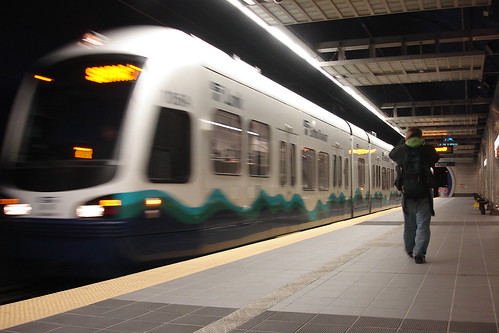
The Federal Transit Administration late last month released new evaluation criteria for transit projects vying for funds from the New Starts and Small Starts programs. These two programs dispensed a total of $2 billion last year, providing roughly half the funding for transit expansions in the U.S.
Previously, the FTA relied heavily on “travel time savings” to judge the merits of a project. The new formula will focus instead on the number of passengers expected to be served. Economic benefits like the impact on development will also be considered.
The new criteria also employ broader measures of the environmental benefits of transit. Instead of using the EPA’s air quality formula as the sole measure of a project’s environmental benefits, the new evaluation process will also incorporate the expected effects on public health (including traffic fatality rates) and energy use.
Advocates say the new rules will streamline the approval process and open the door to federal funding for a wider variety of transit projects.
“This is big news — leading to more fundable projects, with higher community benefits, approved faster at lower cost, for the benefit of an expanded network of qualified applicants,” said David Burwell, director of the energy and climate program at the Carnegie Endowment for International Peace. “This guidance is a heads up to communities to sharpen their pencils and get to work on their project proposals.”
U.S. DOT also estimates the new application process will save about $500,000 annually in administrative costs. The new rules are the result of a executive order issued by President Obama in January 2011 that called for streamlining federal agencies; they were not required by the new federal transportation law, MAP-21, which preserved the programs, but did not change the requirements.

Read More:
Streetsblog has migrated to a new comment system. New commenters can register directly in the comments section of any article. Returning commenters: your previous comments and display name have been preserved, but you'll need to reclaim your account by clicking "Forgot your password?" on the sign-in form, entering your email, and following the verification link to set a new password — this is required because passwords could not be carried over during the migration. For questions, contact tips@streetsblog.org.
More from Streetsblog USA
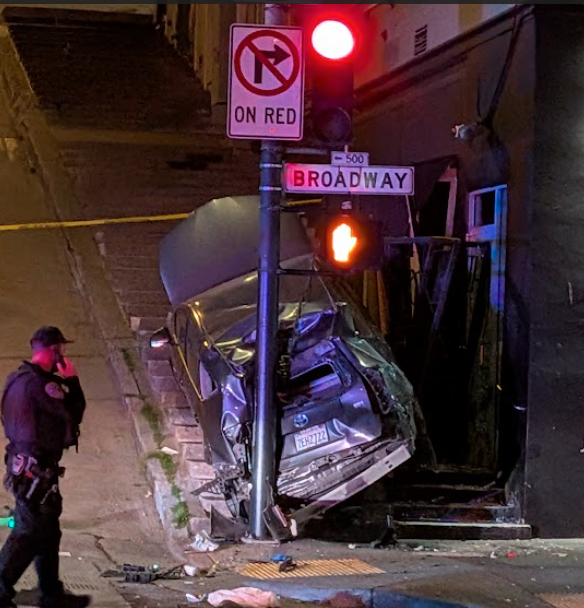
Motorist Careens onto North Beach Sidewalk, Killing Pedestrian
Driver kills pedestrian at another location where a safety project festered
The post Motorist Careens onto North Beach Sidewalk, Killing Pedestrian appeared first on Streetsblog San Francisco.