GM Bailout Will Cost Taxpayers as Much as $12 Billion
“Government Motors” no more. The federal government is calling in its loans to General Motors, which received a taxpayer-funded injection of almost $50 billion at the height of the financial meltdown in 2008.

Over the next 12 to 15 months, President Obama says the world’s largest automaker, which has been turning a healthy profit since 2010, must buy back its remaining 500 million shares from the government. But, unlike the bank bailouts, the government rescue of GM won’t result in a payout for its taxpaying saviors.
The federal government will receive only the going share prices, currently about $27, for its investment — about half of the purchase price of roughly $54 a share. US News and World Report estimates the bailout of GM will cost taxpayers between $10 and $12 billion.
So, chalk up another big subsidy for driving. Taxpayers also lost $1.3 billion on the bailout of Chrysler. And then there was the $3 billion Cash for Clunkers program — another stimulus-era subsidy for the auto industry.
There’s a fair argument to be made that the economic fallout from the dissolution of General Motors — which employs 202,000 people worldwide — during the lowest point of the worst recession in generations would have been disastrous. But the $10-$12 billion bailout is another indication of the high cost of America’s auto dependence.
Remember, this wasn’t the first time U.S. taxpayers bailed out the domestic auto industry. In 1980, Chrysler — reeling from the U.S. oil embargo — received $1.5 billion from the government. It will be interesting to see whether the American auto industry, when it faces the next collapse in demand for its product, will again be the beneficiary of a taxpayer-financed insurance policy against financial collapse.

Read More:
Streetsblog has migrated to a new comment system. New commenters can register directly in the comments section of any article. Returning commenters: your previous comments and display name have been preserved, but you'll need to reclaim your account by clicking "Forgot your password?" on the sign-in form, entering your email, and following the verification link to set a new password — this is required because passwords could not be carried over during the migration. For questions, contact tips@streetsblog.org.
More from Streetsblog USA
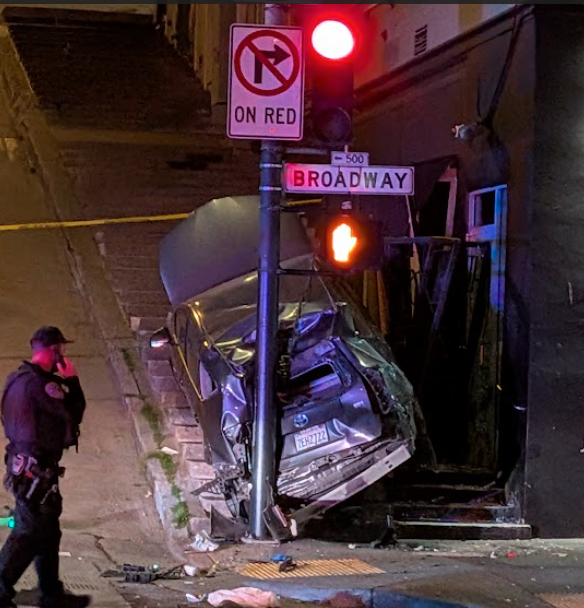
Motorist Careens onto North Beach Sidewalk, Killing Pedestrian
Driver kills pedestrian at another location where a safety project festered
The post Motorist Careens onto North Beach Sidewalk, Killing Pedestrian appeared first on Streetsblog San Francisco.