Blumenauer: Let’s Stop Hiding in Fear of a Mileage Fee

In June, the House of Representatives voted to ban U.S. DOT from even studying the viability of switching from the gas tax to a vehicle-miles-traveled (VMT) fee. But the tide may be turning: The sponsor of the amendment, Rep. Chip Cravaack, has been ousted from Congress, the amendment itself is on the skids, and a new bill would actually require the government to study the VMT option.

The ban had been attached to a 2013 budget bill which still hasn’t passed. As Congress seeks to re-open negotiations on the budget, it appears House leaders are scuttling it. Transportation Appropriations Subcommitee Chair Tom Latham – himself a big supporter of the ban on researching a VMT fee — told Politico last Friday that the language was “not an issue.”
Also on Friday, Rep. Earl Blumenauer introduced a bill [PDF] mandating that the Treasury Department — not U.S. DOT — study the option. The choice of Treasury is a reasonable one, since it’s a revenue issue — and it would circumvent Cravaack’s ban on a DOT study, even if it does survive.
President Obama has resisted switching to a VMT fee, specifically walking back a DOT idea to study the option last year. But incoming Transportation Committee Chair Bill Shuster has said a mileage-based user fee is a “fair” way to pay for transportation infrastructure. He may come up against vehement opposition from rural members of his own party if he tries to pursue it.
Blumenauer’s home state of Oregon has taken the lead on testing a VMT fee as an alternative to taxing gasoline, which will become a less viable way to fund transportation as vehicles become more fuel-efficient. In a press release, Blumenauer lamented the $48 billion in bailouts transportation has required over the past four years and the $15 billion it will likely need at the end of the current transportation law.
Sensitive to privacy concerns often expressed about vehicles being outfitted with transponders, Blumenauer’s bill suggests that a national pilot program be evaluated, first and foremost, on the basis of the protection of personal privacy. It also recommends public acceptance, equity, and usability as criteria.
The bill wouldn’t broaden Oregon’s pilot to other states, per se, but would make grants to universities and manufacturers to develop the technology that could be used to measure mileage and transfer payments to the government. The program would cost $155 million.
Blumenauer’s proposal could get a vote on the floor as a standalone bill or remain on the table as a possible provision in the next transportation authorization.

Read More:
Streetsblog has migrated to a new comment system. New commenters can register directly in the comments section of any article. Returning commenters: your previous comments and display name have been preserved, but you'll need to reclaim your account by clicking "Forgot your password?" on the sign-in form, entering your email, and following the verification link to set a new password — this is required because passwords could not be carried over during the migration. For questions, contact tips@streetsblog.org.
More from Streetsblog USA
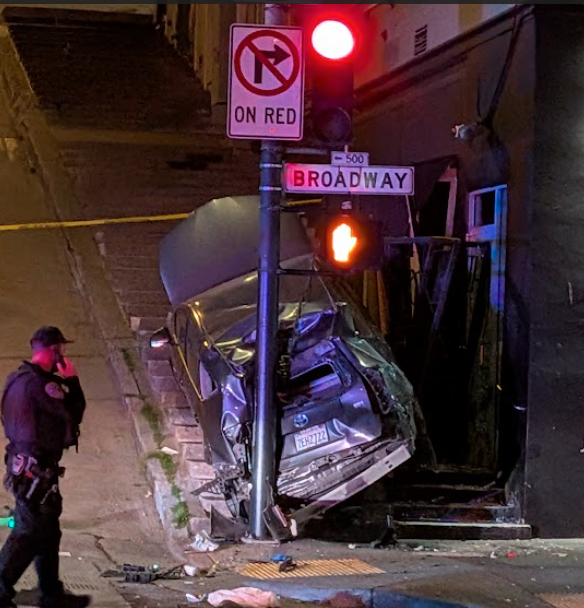
Motorist Careens onto North Beach Sidewalk, Killing Pedestrian
Driver kills pedestrian at another location where a safety project festered
The post Motorist Careens onto North Beach Sidewalk, Killing Pedestrian appeared first on Streetsblog San Francisco.