Researchers Find Link Between Autism and Traffic Pollution
One more reason to reduce driving: Exposure to high levels of traffic pollutants may increase the risk that children will develop autism, according to a study published recently in the Archives of General Psychology.

Researchers from the University of California Keck School of Medicine examined traffic-related air pollution levels in two groups of children: 279 with autism and 245 without. The study found that autistic children and their mothers were twice as likely to live in high-pollution areas during pregnancy and the first year of life, controlling for other factors.
One in 88 children in the U.S. is affected by autism.
Researchers have been looking at a potential link between air pollution and the enigmatic developmental disorder for three years. Fine particle pollution and nitrogen dioxide — two of the leading pollutants emitted by internal combustion vehicles — affect the behavior of certain genes in the early stages of development. One of these genes is known to be less active in children with autism, according to a report on the study published on WebMD.
There is a growing consensus that autism is caused by a combination of environmental and genetic factors. In reviewing the study, Andrew Adesman, MD, at Cohen Children’s Medical Center of New York, said that traffic-related air pollution is likely one of many contributing factors, WebMD reports.

Read More:
Streetsblog has migrated to a new comment system. New commenters can register directly in the comments section of any article. Returning commenters: your previous comments and display name have been preserved, but you'll need to reclaim your account by clicking "Forgot your password?" on the sign-in form, entering your email, and following the verification link to set a new password — this is required because passwords could not be carried over during the migration. For questions, contact tips@streetsblog.org.
More from Streetsblog USA
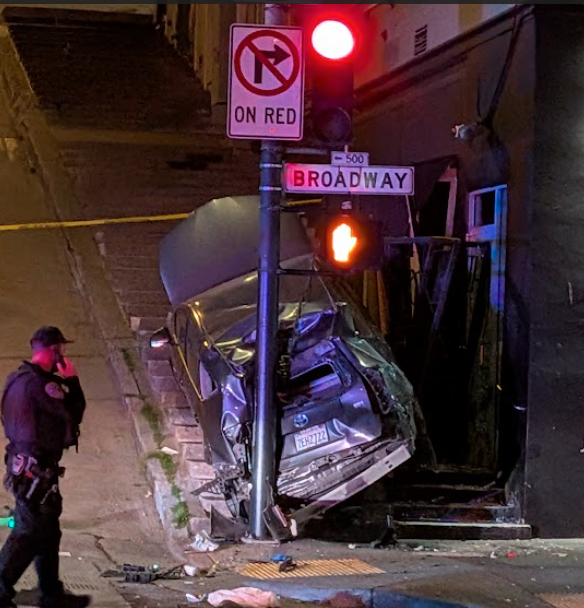
Motorist Careens onto North Beach Sidewalk, Killing Pedestrian
Driver kills pedestrian at another location where a safety project festered
The post Motorist Careens onto North Beach Sidewalk, Killing Pedestrian appeared first on Streetsblog San Francisco.