Who Should Foot the Bill for Sandy’s Damage to Tracks and Train Tunnels?


As the East Coast surveys the damage from Hurricane Sandy, cities are still struggling to get their transit systems back up and running.
In New York City, there is no firm timetable for restoring subway service after train tunnels were flooded with a surge of saltwater, in what New York MTA Chair Joe Lhota has called the most devastating event to ever strike the subway system.
In Philadelphia, SEPTA is slowly bringing back service on subway and bus lines. The regional rail system is down at least until tomorrow, with the majority of the damage apparently from downed trees. Amtrak has also continued its suspension of service on the Northeast Corridor, with repairs pending on the track and signal systems, as well as the removal of trees and other debris.
New Jersey Transit was hit hard, with “major damage on each and every one of New Jersey rail lines,” according to Governor Chris Christie, including washouts along the North Jersey Coast Line and at Kearny Junction, as well as flooding at rail hubs in Secaucus, Hoboken and Newark Penn Station, according to the AP. It could be seven to 10 days before PATH train service is restored.
DC’s metro came back online at 2:00 p.m. today, and there was no major flooding or damage reported to Baltimore’s and Boston’s transit systems.
Damage to infrastructure isn’t the only cost of the hurricane — lost productivity will also ding the economy, as workplaces up and down the coast stay shuttered for another day today.
One early estimate pegged the total damage caused by the storm at more than $20 billion, with insured losses at about $7 billion. Infrastructure repairs figure to account for a substantial portion of the costs. With transit agencies and local governments still feeling the fiscal squeeze, who will foot the bill?
Luckily, FEMA Administrator Craig Fugate says FEMA is flush with money for the response, including repairs to infrastructure, with a $7.8 billion disaster relief fund. That’s reassuring, after the agency was caught empty-handed in the wake of Hurricane Irene.
Transit has an extra cushion now, too, thanks to a provision in the new transportation bill, MAP-21, that created an emergency relief program for transit, similar to what exists for highways. Funds still need to be appropriated, but the Federal Transit Administration does have the authority to distribute funds to agencies in need.
Larry Hanley, president of the Amalgamated Transit Union, pointed out that the frequency of extreme weather events like Sandy can be attributed to greenhouse gas emissions, saying that the costs of the storm should fall on the fossil fuel industry. “Ultimately, who should pay is the oil companies,” he said. “They’re the people who are polluting the environment, the people who are causing this global warming that’s ‘not really happening.’ If ever there was clear evidence of climate change, it’s what we’ve been through over the last several months, with the hot summer and now this storm activity. Like the cleanup in the Gulf, they should be called upon to clean up after this storm.”
Equally important is who shouldn’t pay – transit riders. If the costs of cleanup and restoration fall to the agencies and operators, that will result in service cuts and/or fare increases for passengers. “Over the last several years, when there have been problems in agencies, the passengers are the ones who had to step up and take cuts in service and fare increases,” Hanley said. “They should be automatically exempted from this one.”

Read More:
Streetsblog has migrated to a new comment system. New commenters can register directly in the comments section of any article. Returning commenters: your previous comments and display name have been preserved, but you'll need to reclaim your account by clicking "Forgot your password?" on the sign-in form, entering your email, and following the verification link to set a new password — this is required because passwords could not be carried over during the migration. For questions, contact tips@streetsblog.org.
More from Streetsblog USA
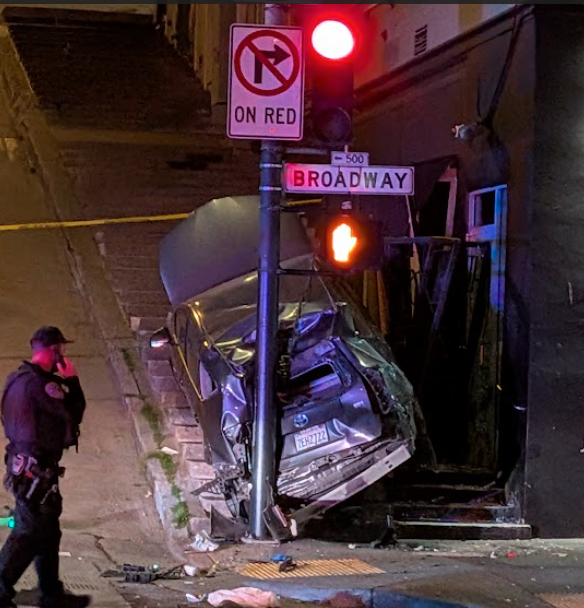
Motorist Careens onto North Beach Sidewalk, Killing Pedestrian
Driver kills pedestrian at another location where a safety project festered
The post Motorist Careens onto North Beach Sidewalk, Killing Pedestrian appeared first on Streetsblog San Francisco.