Census Shows Slight Decline in Solo Car Commuting

For the first time in four years, a smaller share of Americans are driving to work alone.

The 2011 estimates by the U.S. Census Bureau [PDF] show a razor-thin decline in solo car commuting, 76.6 to 76.4 percent. Meanwhile, public transit’s share ticked up slightly, to 5 percent from 4.9. While the numbers are small — well within the margin of error — the perceived decline in SOV commuting is a departure from trends going back to 2008, when the figure stood at 75.5 percent.
The Census Bureau’s findings conform to much of the recent research on trends in American transportation, including declining vehicle miles traveled, increasing public transit use and shifting generational preferences in favor of sustainable modes.
USA Today, in its reporting on the Census numbers, credited gas prices and the bad economy. The last time there was a decline in solo car commuting mode share was when the economy crashed in 2008, and estimated car commuting dropped by more than one-half percent.
The paper conducted its own analysis and determined that transit ridership had increased in two-thirds of the 342 metropolitan areas examined. The American Public Transportation Association is reporting its sixth consecutive quarterly ridership jump, the story said.
USA Today left readers with this: “Is this a product of the current economy or is this a new normal?” That seems to be still an open question. But this is one more hopeful sign.


Support Streetsblog
Streetsblog has migrated to a new comment system. New commenters can register directly in the comments section of any article. Returning commenters: your previous comments and display name have been preserved, but you'll need to reclaim your account by clicking "Forgot your password?" on the sign-in form, entering your email, and following the verification link to set a new password — this is required because passwords could not be carried over during the migration. For questions, contact tips@streetsblog.org.
More from Streetsblog USA
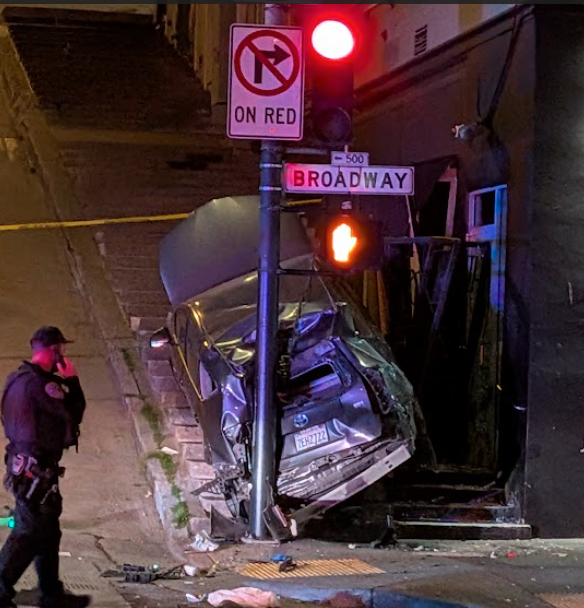
Motorist Careens onto North Beach Sidewalk, Killing Pedestrian
Driver kills pedestrian at another location where a safety project festered
The post Motorist Careens onto North Beach Sidewalk, Killing Pedestrian appeared first on Streetsblog San Francisco.