Study: Access to Light Rail Can Reduce Obesity Risk — If You Use It
Living near transit can help you stay trim and healthy. That’s the result of a study published last year in the American Journal of Preventative Medicine. This study is a little old — it was published in August 2011 — but we just came across it in the Reconnecting America resource center and the results are too interesting not to share.

A team of social scientists and public health experts examined the health effects of Charlotte, North Carolina’s Lynx light rail line, which was installed in 2007. The study was designed to avoid a common problem in studies of transit’s impact on health: selection bias. People who are already active may choose urban, transit-accessible neighborhoods to suit their preexisting lifestyles. In this study, however, the researchers only looked at those who lived along the Lynx route both before and after light rail arrived.
The light rail riders’ Body Mass Index, the researchers found, fell by an average of 1.18 points compared to those who didn’t ride the system. That translates into a loss of about six and a half pounds for a person who is 5-feet, 5-inches tall. In addition, light rail users were 81 percent less likely to become obese over time.
The results were weighted to control for education, age, race gender, distance to work, neighborhood features and other factors that might skew the results.
Researchers said the weight loss reported by subjects was consistent with adding as much as 1.2 miles walking to a person’s daily routine. All the subjects lived within one mile of the light rail corridor, which has surpassed ridership expectations.
“The results of this study suggest that improving neighborhood environments and increasing the public’s use of LRT systems could provide improvements in health outcomes for millions of individuals,” the authors concluded. “Public policy investments in transit should consider potential increases in physical activity as part of the broader set of cost–benefit calculations of transit systems.”

Read More:
Streetsblog has migrated to a new comment system. New commenters can register directly in the comments section of any article. Returning commenters: your previous comments and display name have been preserved, but you'll need to reclaim your account by clicking "Forgot your password?" on the sign-in form, entering your email, and following the verification link to set a new password — this is required because passwords could not be carried over during the migration. For questions, contact tips@streetsblog.org.
More from Streetsblog USA
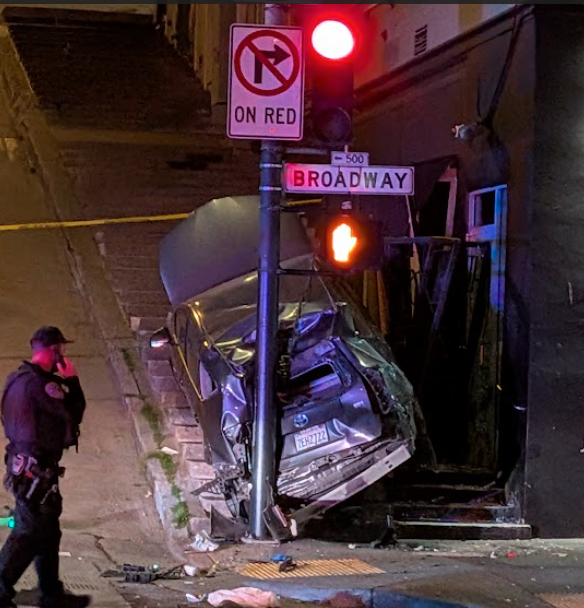
Motorist Careens onto North Beach Sidewalk, Killing Pedestrian
Driver kills pedestrian at another location where a safety project festered
The post Motorist Careens onto North Beach Sidewalk, Killing Pedestrian appeared first on Streetsblog San Francisco.