Cliff’s Notes on the Transit Changes in MAP-21

The FTA has put out a helpful guide [PDF] to the changes to public transit policy in MAP-21, the new transportation bill that takes effect October 1. Three cheers to the agency for making the changes easy to see with their tracked-changes format.

While there are a lot of adjustments within the transit section, overall this bill does not make major changes to national transit policy compared to its 2005 predecessor, known as SAFETEA-LU. Transit maintains its 20 percent share of funding, and the volume of funding remains the same. Transit will get about $10.6 billion per year.
Within the overall pot of transit funding, millions have been shuffled around in this bill, and we covered some of those bigger changes last week. This post will delve into some of the finer-grain changes that the FTA has helped to highlight with this document.
Consistent with other changes to the bill that put distance between transportation policy and any attempt to discern what would be good policy, the authors made some cosmetic changes that strike some pro-transit language from the law of the land.
The bill removes a whole section of SAFETEA-LU that stated the case for transit and made important points about the urbanization of the country, the potential damage to urban areas of unchecked congestion, the need to keep transit accessible to lower income individuals, the urgency of federal assistance to transit, and the fact that transit helps the country achieve the national goals of “improved air quality, energy conservation, international competitiveness, and mobility for elderly individuals, individuals with disabilities, and economically disadvantaged individuals in urban and rural areas of the United States.”
Here are a few other changes worth noting:
- The new pilot program to support transit-oriented development, funded at $10 million, sets out to increase ridership, facilitate multimodal connectivity, increase pedestrian and bicycle access to transit, and enable mixed-use development.
- The new section on Bus Rapid Transit specifically defines it as having a separated right-of-way (at least for the majority of the line and during peak periods), defined stations, short headways and signal priority. Those are good definitions to prevent “BRT creep” – the cutting of corners that eventually ends up with a pretty standard bus service that doesn’t perform the way BRT is supposed to.
- What used to be known as transit enhancements – improvements made with the goal of increasing transit use – are now known as associated transit improvements. Beautification – another word that has become bizarrely anathema in this debate – is no longer eligible for this funding, though landscaping and streetscaping are. (Just make sure it’s ugly, folks.) Public art is out, as are transit connections to parks.
- The private sector gets a few nods peppered throughout the transit section, including a big one right up top: “It is in the interest of the United States, including the economic interest of the United States, to foster the development and revitalization of public transportation systems with the cooperation of both public transportation companies and private companies engaged in public transportation.”
- Though lawmakers nixed a plan to allow transit agencies to use capital funds for operating costs in times of need, there is a simplified eligibility for transit operations — specifically for buses — under Urbanized Area Formula Grants.
We are still combing through the FTA’s document. Any other changes that deserve attention? Tell us in the comments.

Read More:
Streetsblog has migrated to a new comment system. New commenters can register directly in the comments section of any article. Returning commenters: your previous comments and display name have been preserved, but you'll need to reclaim your account by clicking "Forgot your password?" on the sign-in form, entering your email, and following the verification link to set a new password — this is required because passwords could not be carried over during the migration. For questions, contact tips@streetsblog.org.
More from Streetsblog USA
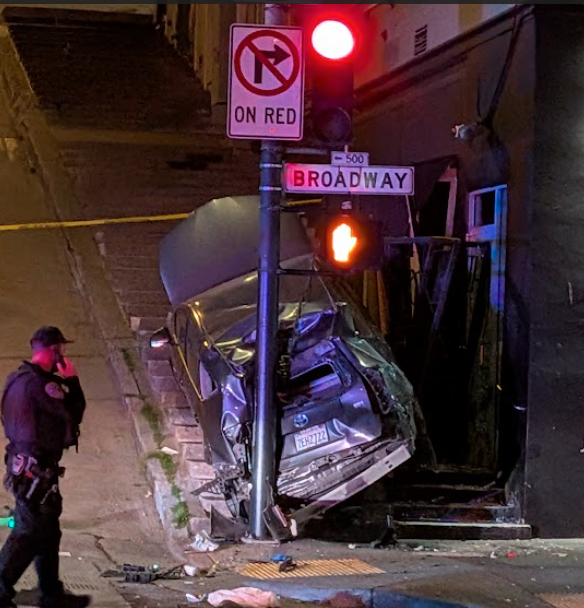
Motorist Careens onto North Beach Sidewalk, Killing Pedestrian
Driver kills pedestrian at another location where a safety project festered
The post Motorist Careens onto North Beach Sidewalk, Killing Pedestrian appeared first on Streetsblog San Francisco.