How the Information Age Can Make Streets and Transit More Efficient

In Pittsburgh, elderly para-transit riders get automated phone calls with the precise arrival time of their vehicle. Bus priority lanes and preferential traffic signals in the Twin Cities are improving on-time service. Here in Washington, DC, stored value on SmartTrip cards pays for Metro parking, train and bus, and it can sync with pre-tax employee transit benefits. In San Francisco, dynamic pricing varies parking rates based on supply and demand, reducing traffic and helping people find available parking spaces.

All of these transportation improvements are happening already – they’re examples of Intelligent Transportation Systems (ITS) that are being heralded in a new report as a way to set the bar higher for transportation efficiency. Transportation for America, ITS America and other groups have teamed up to urge Congress to include technological enhancements in its transportation policies. They’re hoping these changes can help us get more out of our streets without building sprawl-inducing highways.

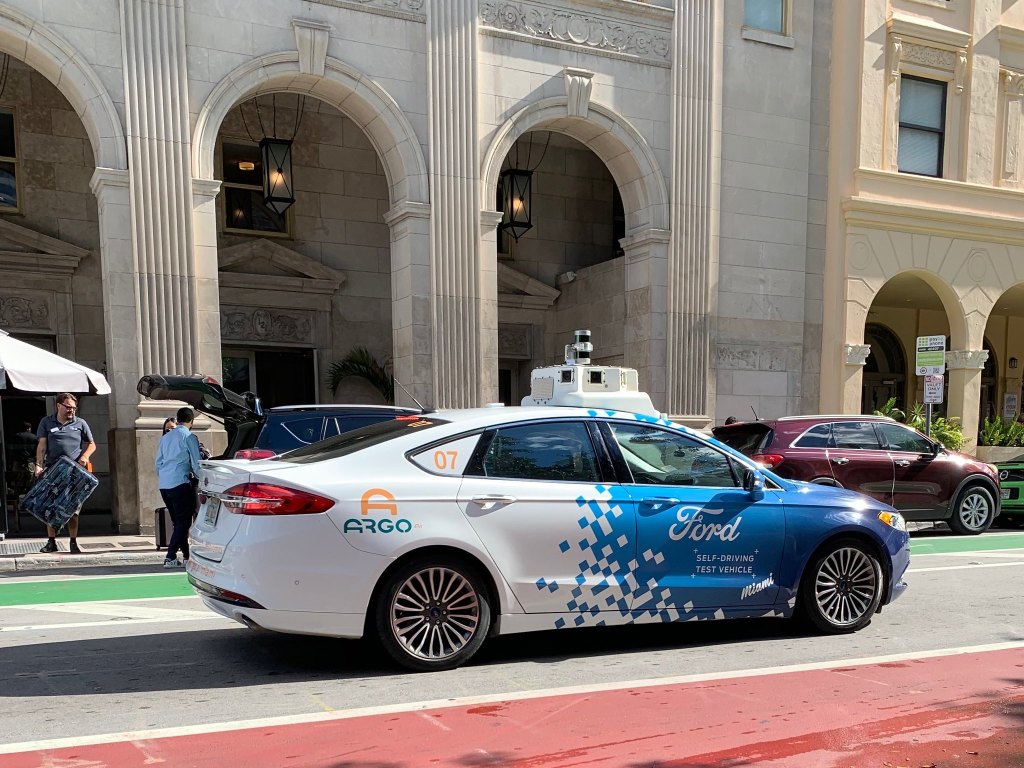
ITS is a catch-all phrase for the ways digital technology can be applied to all modes of transportation. There are familiar forms of ITS on highways. E-ZPass has been around for about 15 years already. Electronic highway signs warning of delays or detours are becoming commonplace. Now, Google traffic maps supplement radio reports to help drivers pick more efficient routes. Add to the mix Zipcar and other car-sharing services, or vanpools with real-time tracking, and ITS becomes not just a method to move cars more efficiently, but to make streets more efficient by taking cars off the road.
“The technologies already exist,” says Lilly Shoup, the report author at T4A. “Now it’s a matter of being more strategic in integrating them throughout the transportation network.”
Integration with infrastructure and vehicles is key – and it’s why this is the moment to shine the light on these technologies. Smart phone-based ride-sharing or bus-tracking, for example, wouldn’t have had much impact five years ago. But the proliferation of smart phones has made these real options. Building a transportation network based on technology is more possible when that technology is abundant in all the places you’re trying to link together.
And it can have a real environmental impact.
Japan credits technology with helping improve traffic flows and reducing emissions by 11 million tons, according to T4A. And a recent GAO report found that the benefits of deploying a real-time traffic information system across the country would outweigh the cost by a factor of 25 to 1.
Compare that to what the report calls “the more conventional solution of adding new highway capacity, which has a benefit-to-cost ratio estimated at 2.7 to 1.”
T4A, ITS America and their partners want the federal government to embrace these new technologies. Their recommendations are pretty loose: establishing emissions reductions targets and incentivizing technological innovations at the state and regional levels. With the variety of technological options out there, they aren’t prescribing a one-size-fits-all approach to cities and regions.
Rep. Russ Carnahan (D-MO) quietly introduced a bill on transportation optimization right before the House broke for recess, but details of the legislation are not yet available.

Read More:
Streetsblog has migrated to a new comment system. New commenters can register directly in the comments section of any article. Returning commenters: your previous comments and display name have been preserved, but you'll need to reclaim your account by clicking "Forgot your password?" on the sign-in form, entering your email, and following the verification link to set a new password — this is required because passwords could not be carried over during the migration. For questions, contact tips@streetsblog.org.
More from Streetsblog USA
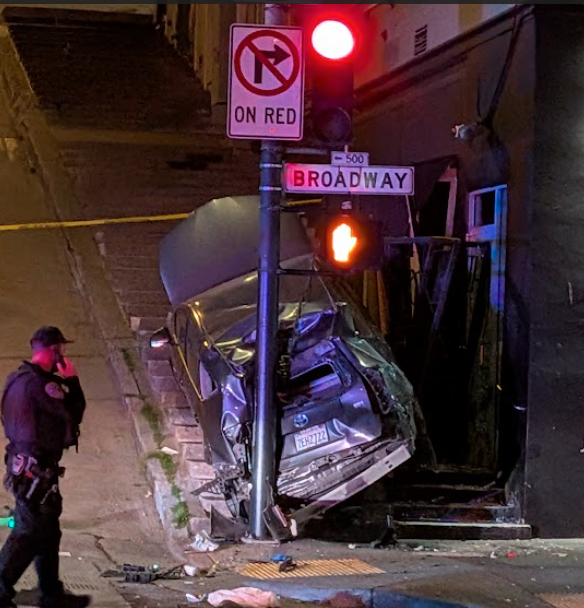
Motorist Careens onto North Beach Sidewalk, Killing Pedestrian
Driver kills pedestrian at another location where a safety project festered
The post Motorist Careens onto North Beach Sidewalk, Killing Pedestrian appeared first on Streetsblog San Francisco.