On the 20th Anniversary of ADA, Too Many Streets Remain Inaccessible

Yesterday marked the 20th anniversary of the Americans With Disabilities Act, the landmark law that set federal standards to make public places universally accessible. Two decades later, the ADA has improved access for millions, but in many places, the spirit of the law seems lost on those who shape the streets.
To get a sense of how far we have to go before our streets safely accommodate everyone, look no further than the Buford Highway, the suburban arterial roadway outside Atlanta featured in this PBS report (hat tip to Stephen Davis at T4America). The one-two punch of automobile-centric street design and development patterns have made this road a deadly hazard for anyone without a car — an increasingly large segment of the local population.
At the League of American Bicyclists blog, Jeff Peel makes the connection between the dangers people face on roads like the Buford Highway and the “unfinished business” of the ADA:
While we should take today to celebrate this historic achievement,
let’s also take a moment and think about the work remaining to be done.
Twenty years after ADA, and almost 40 years since the first
requirements for curb cuts in Federal projects, it’s shocking that lack
of access is still an issue anywhere in the transportation system. The
fact that it is still an issue highlights the entrenched nature of
State DOTs and local public works agencies that are so resistant to
change. Where the ADA has forced transportation agencies to integrate
the needs of people with disabilities into planning and projects, the
needs of everyday pedestrians, transit users and, of course, cyclists
are still routinely overlooked or dismissed. And don’t forget, the ADA
didn’t require sidewalks — it says that if they are present, they must
be made accessible. That’s why Complete Streets
is so critical and is part of the unfinished business of ADA, and
that’s why the disability community has been such a leader in the
Complete Streets movement.
Elsewhere on the Network: Where the Sidewalk Starts looks with envy to Victoria, British Columbia, where lawmakers are looking to decriminalize the act of jaywalking downtown. A USA Today report on commuters opting to take light rail or bike to work prompts some ideas from Walkable DFW on how to structure incentives to commute by transit. And Rob Pitingolo ponders the growing popularity of intercity bus travel.

Read More:
Streetsblog has migrated to a new comment system. New commenters can register directly in the comments section of any article. Returning commenters: your previous comments and display name have been preserved, but you'll need to reclaim your account by clicking "Forgot your password?" on the sign-in form, entering your email, and following the verification link to set a new password — this is required because passwords could not be carried over during the migration. For questions, contact tips@streetsblog.org.
More from Streetsblog USA
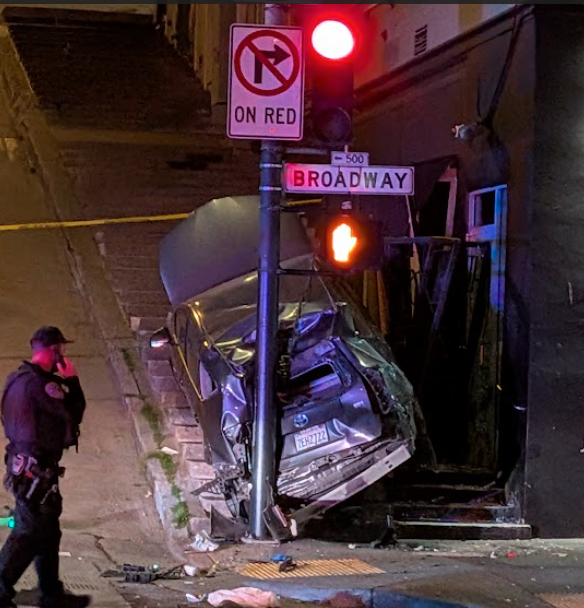
Motorist Careens onto North Beach Sidewalk, Killing Pedestrian
Driver kills pedestrian at another location where a safety project festered
The post Motorist Careens onto North Beach Sidewalk, Killing Pedestrian appeared first on Streetsblog San Francisco.