FTA: American Transit Systems Need $77.7 Billion in Repairs

 Transit systems need billions of dollars to reach a state of good repair. Image: FTA
Americans who ride trains and buses are suffering the effects of a huge maintenance backlog, according to a new study by the Federal Transit Administration [PDF]. It would take a down payment of $77.7 billion to bring the nation’s transit systems up to a state of good repair and another $14.4 billion per year, on average, to keep transit running smoothly, safely, and comfortably for riders.
The National State of Good Repair Assessment Study is a follow-up to a similar report issued last year, which catalogued the needs of the country’s seven largest rail systems. This year’s look widens the lens to include small and medium sized transit operators, including rural systems, and buses as well as trains.
America’s bus system is in particularly bad condition, according to the FTA. Nine percent of all assets received the lowest rating, poor, and another 32 percent were deemed marginal. While rail is in a slightly better condition — nine percent of assets are poor, but only 17 percent are marginal — the costs of bringing rail to a state of good repair are far higher. It’ll take $59.2 billion, plus an average of $8.2 billion annually, to keep the rail system well maintained.
Last April, the Federal Transit Administration announced a competitive grant program to try and improve the quality of the nation’s bus fleet. But though applications for the grants have totaled over $4.2 billion, the agency only has $775 million to disburse.
To put these numbers in context, the federal stimulus law provided $8.4 billion in transit aid.
Even the stimulus act’s highway spending only contributed around $16 billion to road repairs (and another $9 billion for expanding road capacity). In other words, America’s transit systems need an investment far bigger than the stimulus provided to highway repair, and fast.
Until that happens, transit riders are going to be less comfortable, less safe, and less likely to keep riding transit. Here’s Kaid Benfield of the Natural Resources Defense Council, giving the issue a human face this morning:
I find myself using DC’s Metro less and less these days, in no small part because it just doesn’t work as consistently well as I need it to in order to meet my needs. Although our Metrorail system has never been perfect, it has always been a marvel of architectural beauty and engineering achievement, and once was the envy of the nation for its cleanliness, comfort and efficiency.
Sadly, that is no longer the case. Today, access to the system is made difficult by broken escalators and elevators all over the system; service can be slow and unpredictable; cars are dirty and crowded; air conditioning systems sometimes provide mediocre cooling in DC’s sweltering summer heat.
I used to take Metro all the time for commuting and frequently for other trips as well. But, while I still use the system several times per week, frequently to shuttle around downtown for meetings, more often than not I now drive to work, shelling out $20 for parking each day and putting up with traffic hassles when I do.

Read More:
Streetsblog has migrated to a new comment system. New commenters can register directly in the comments section of any article. Returning commenters: your previous comments and display name have been preserved, but you'll need to reclaim your account by clicking "Forgot your password?" on the sign-in form, entering your email, and following the verification link to set a new password — this is required because passwords could not be carried over during the migration. For questions, contact tips@streetsblog.org.
More from Streetsblog USA
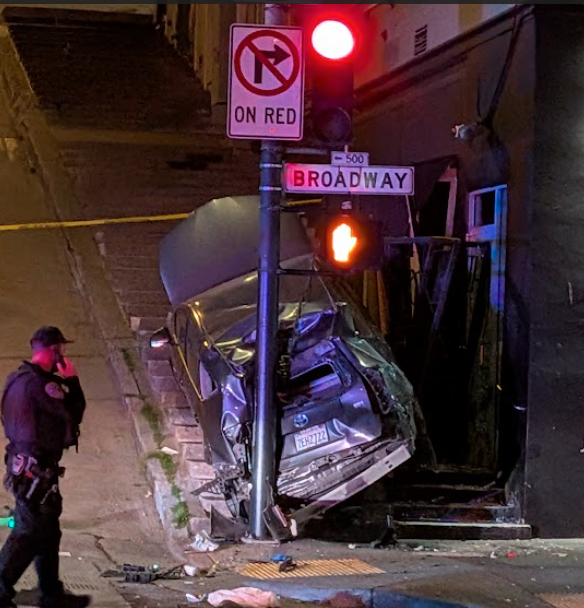
Motorist Careens onto North Beach Sidewalk, Killing Pedestrian
Driver kills pedestrian at another location where a safety project festered
The post Motorist Careens onto North Beach Sidewalk, Killing Pedestrian appeared first on Streetsblog San Francisco.