The Freedom to Not Drive

The thought of the day comes to us from the island of Oahu, where Doug Carlson writes the “Yes to Rail” blog. Carlson advocates for construction of the Honolulu rail system, recent recipient of a key approval from the Federal Transit Administration.
Over the July 4th weekend, he wrote:
Traffic backed up after a collision on Hawaii’s H-1 highway. Photo: Yes2Rail
It’s obligatory for bloggers and editorial writers on Independence Day weekend to find a way – usually a tortured way – to tie their favorite theme to the national theme of freedom. We’re up for that.
We’ve often used “independence from traffic congestion” to describe what Honolulu rail will mean for commuters who choose to ride the city’s future train.
It’s also obligatory for rail supporters to hammer away at this theme — freedom from morning and evening traffic woes that can destroy the spirit of all those stuck in congestion that’s bound to grow with increases in population and the number of vehicles in the morning and evening commutes…
Click through for Carlson’s rail-themed homage to Pete Seeger and Lee Hays.
Automakers have been equating cars to “the national theme of freedom” for the better part of a century, so I think advocates for sustainable transportation and livable streets are well-served by flipping that argument on its head, as Carlson suggests. It’s not a tortured line of reasoning by any means. Generations of car-centric planning have, after all, yoked Americans to a transportation system that constrains the most basic elements of our lives — our time, our health, our finances, our ability to socialize with friends and neighbors.
In addition to liberating people from hellish commutes, as Carlson describes, reducing car-dependence means freedom from spending more and more of our household budgets on transportation; freedom from sedentary lifestyles that are contributing to skyrocketing rates of obesity and diabetes; freedom from worrying about the safety of walking or biking. Freedom, eventually, from having to extract and use energy in ways that pose catastrophic risks to the environment.
Also on the Network today: Building Cincinnati reports on the progress of a port plan that would reduce truck traffic; Matt Yglesias and Tom Vanderbilt both link to a great presentation by Ellen Dunham-Jones about retrofitting suburbia; and John Massengale at Veritas et Venustas notes that David Brooks seems to be casting a more critical eye on suburbs.

Read More:
Streetsblog has migrated to a new comment system. New commenters can register directly in the comments section of any article. Returning commenters: your previous comments and display name have been preserved, but you'll need to reclaim your account by clicking "Forgot your password?" on the sign-in form, entering your email, and following the verification link to set a new password — this is required because passwords could not be carried over during the migration. For questions, contact tips@streetsblog.org.
More from Streetsblog USA
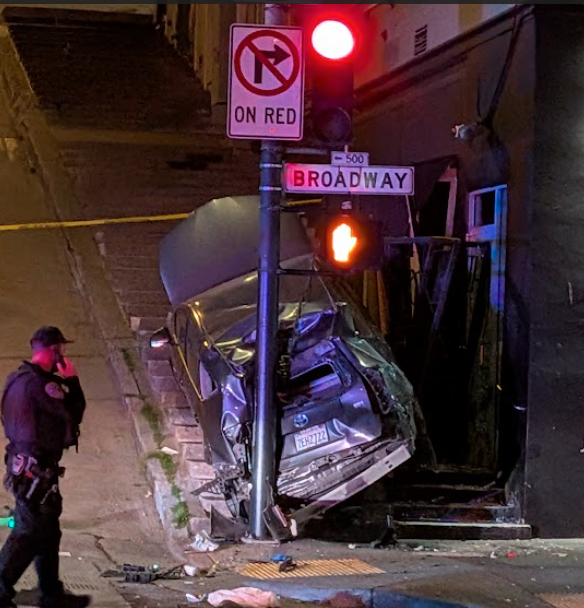
Motorist Careens onto North Beach Sidewalk, Killing Pedestrian
Driver kills pedestrian at another location where a safety project festered
The post Motorist Careens onto North Beach Sidewalk, Killing Pedestrian appeared first on Streetsblog San Francisco.