What Does American Exceptionalism Mean For Livable Streets?

 Rush hour in Copenhagen. Photo: Complete Streets Coalition
Is the United States exceptional? It’s a question that’s bedeviled activists and historians alike since the country was born 234 years ago this Sunday. It’s also a question that’s been bugging Barbara McCann, the executive director of the Complete Streets Coalition. She’s been at Velo-City, a bike conference held in cycling mecca Copenhagen this year. Writes McCann on her organization’s blog:
Frankly, in the past, I’ve discounted the value of the European model in the United States. It has been just too different – and certainly has been rejected by most local elected officials in the US. Specific European treatments such as cycle-tracks (bicycle lanes raised from the road surface and separate from the sidewalk) seemed pointless to discuss. On this trip, however, I came away with greater clarity about what European cities have to teach the Complete Streets movement in the United States.
Of course, in more progressive locations around the country, European-style bike infrastructure, including cycle tracks, has been installed. American cities have public spaces inspired by Denmark’s Jan Gehl and bus rapid transit lines modeled after (or at least inspired by) Bogotá’s TransMilenio. American cities have learned from best practices around the world, not just Europe.
But one or two cycle-tracks does not a Copenhagen make. There’s nowhere in this country even close to the cutting edge of livable streets. So McCann’s question seems apt: Just how much can the United States learn from other countries?
Whatever your answer, it’s worth considering the lesson McCann brought back from Copenhagen:
The lesson for most of the United States, then, is not to simply import a technique or two (although it is encouraging to see a few American cities trying it): it is to learn how to build the political consensus that roads serve purposes beyond automobile travel.
Whether an American city makes itself more livable cycle-track by cycle-track or in another form altogether, the most important piece of infrastructure is our ability to organize.
More from around the network: The Bike-Sharing Blog shows a fun instructional video for London’s coming bike-sharing program. Matt Yglesias reminds us that density doesn’t have to mean tall buildings. And Cyclelicious has pics of David Letterman on the most fun e-bike ever.

Read More:
Streetsblog has migrated to a new comment system. New commenters can register directly in the comments section of any article. Returning commenters: your previous comments and display name have been preserved, but you'll need to reclaim your account by clicking "Forgot your password?" on the sign-in form, entering your email, and following the verification link to set a new password — this is required because passwords could not be carried over during the migration. For questions, contact tips@streetsblog.org.
More from Streetsblog USA
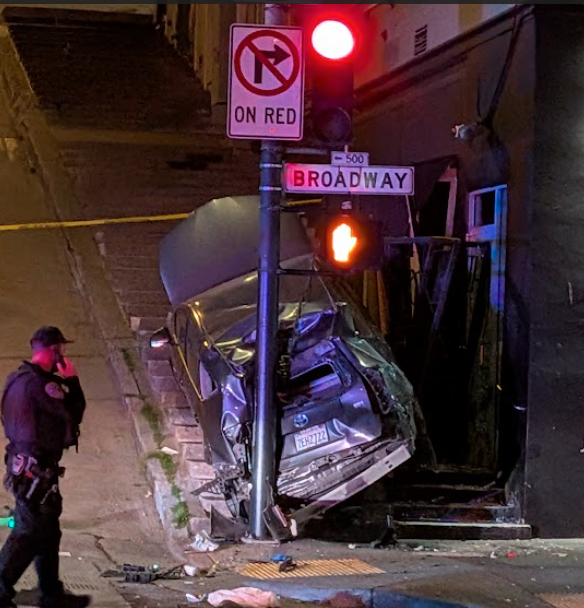
Motorist Careens onto North Beach Sidewalk, Killing Pedestrian
Driver kills pedestrian at another location where a safety project festered
The post Motorist Careens onto North Beach Sidewalk, Killing Pedestrian appeared first on Streetsblog San Francisco.