When Illness Changes Your Ability to Get Where You Need to Go
 Life is better when you can get together with your friends. (Photo: Kim Scarborough via Flickr)
Today on the Streetsblog Network, EcoVelo has an important reminder of how our essential human frailty can change our ability to move around our community:
Dealing with illness while maintaining a car-free or car-light lifestyle can be a challenge. Michael and I were both sick with the flu this past week, and now she’s developed pneumonia, so we’ve been depending upon our one car much more than usual to keep the household running while doing our best to rest up. She’s at a point where even a short walk up an incline causes her to be winded, so she’s totally off the bike; this is somewhat shocking considering her usually high level of fitness and bike-dependence.
We were talking about how difficult it would be, and what strategies we would have to employ, if we were totally car-free while dealing with illness. Renting a car would be one solution, as would asking for help from friends and family. Public transportation is always a possibility, though it’s questionable whether someone should expose others to their illness in tight public spaces. Of course, if we lived closer to work, health care, shopping, and other essentials, this would be less of an issue for us.
But driving is not always a solution in the case of illness or injury. There are plenty of medical conditions that make driving a car unsafe or impossible. And with so many people in our country living in places where the infrastructure enforces car dependence, not being able to drive essentially means being cut out from the life of the community.
It shouldn’t be like this. Medical conditions that prevent driving should not mean disenfranchisement from the social fabric. Think about it next time you are driving your car or riding your bike: You may well be unable to do so one day, due to illness, injury or advanced age (if you’re lucky enough to live so long). Shouldn’t we be planning communities so that all people (including children) can move about in them safely? So that inevitable ups and downs in physical capacity don’t automatically mean anxiety and isolation?
Let us know what you think in the comments.
More from around the network: The Urbanophile has some thoughts on a federal policy for American cities. EyesOnStreets uses Google to map the magical streets of Salem, Massachusetts. And Tucson Velo has the news on that city’s program to distribute lights to bicyclists.

Read More:
Streetsblog has migrated to a new comment system. New commenters can register directly in the comments section of any article. Returning commenters: your previous comments and display name have been preserved, but you'll need to reclaim your account by clicking "Forgot your password?" on the sign-in form, entering your email, and following the verification link to set a new password — this is required because passwords could not be carried over during the migration. For questions, contact tips@streetsblog.org.
More from Streetsblog USA
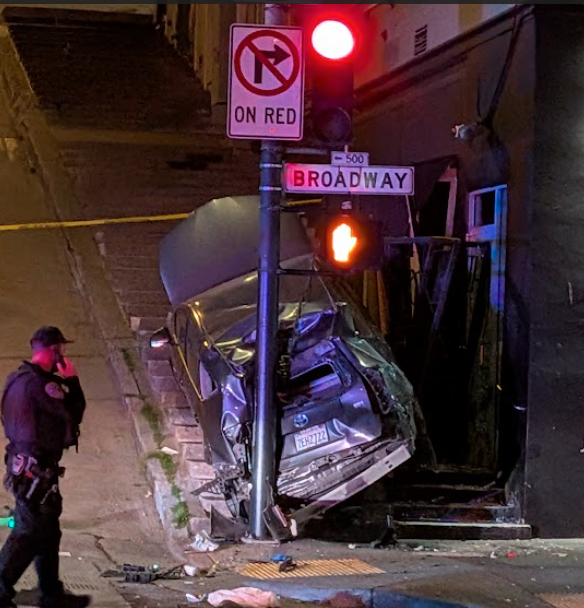
Motorist Careens onto North Beach Sidewalk, Killing Pedestrian
Driver kills pedestrian at another location where a safety project festered
The post Motorist Careens onto North Beach Sidewalk, Killing Pedestrian appeared first on Streetsblog San Francisco.