Parking Lots Shouldn’t Take Up Prime Streetfront Real Estate
 The parking lot is behind these Boca Raton residences. (Photo: faceless b via Flickr)
It might seem like a simple idea — that having an enormous parking lot in front of a business makes it unattractive to pedestrians and disrupts the fabric of a neighborhood. Unfortunately, this is the way that huge swaths of American towns and cities are designed.
This morning, Kaid Benfield at NRDC Switchboard posts about a relatively simple reversal that can make a real difference in the quality of a community’s street life: Put the parking in the back. He concedes that it’s not a solution for purists:
Some advocates might just wish that cars would go away entirely, or that communities make it so inconvenient or costly for their drivers that they dwindle in number. But, for most places, that isn’t realistic and could even be counterproductive, chasing businesses out of central cities and exacerbating sprawl at a time when we should be doing the opposite. What we can realistically do is to make sure our buildings and streetscapes are fully supportive of environment- and community-friendly modes of travel. Placing the parking to the rear still allows access for drivers while attracting more walkers and transit users in front.
That’s the configuration that I encountered when visiting a relatively new neighborhood in Las Vegas a couple of weeks ago. The central shopping mall was designed with streetfront stores and an interior parking lot; on a pretty Sunday afternoon, it attracted a significant amount of foot traffic from the surrounding residences. The place is deeply car-dependent, but there was still a sense of neighborhood activity and interaction that is largely absent in developments where parking sits in front of retail. While people living there drive to work, they consider it normal to walk to a neighborhood café.
Perfect? No. Better? Definitely.
Benfield’s post is well worth reading in full, so head on over.
More from around the network: Bike Friendly Oak Cliff has a harsh critique of a “complete street” plan in that Dallas community. DC Bicycle Transportation Examiner looks at the ratio of homicides by stranger to traffic fatalities (hint: the second number is higher). And WalkBikeJersey does some dispiriting math on fare hikes for bicyclists using transit in that state.

Read More:
Streetsblog has migrated to a new comment system. New commenters can register directly in the comments section of any article. Returning commenters: your previous comments and display name have been preserved, but you'll need to reclaim your account by clicking "Forgot your password?" on the sign-in form, entering your email, and following the verification link to set a new password — this is required because passwords could not be carried over during the migration. For questions, contact tips@streetsblog.org.
More from Streetsblog USA
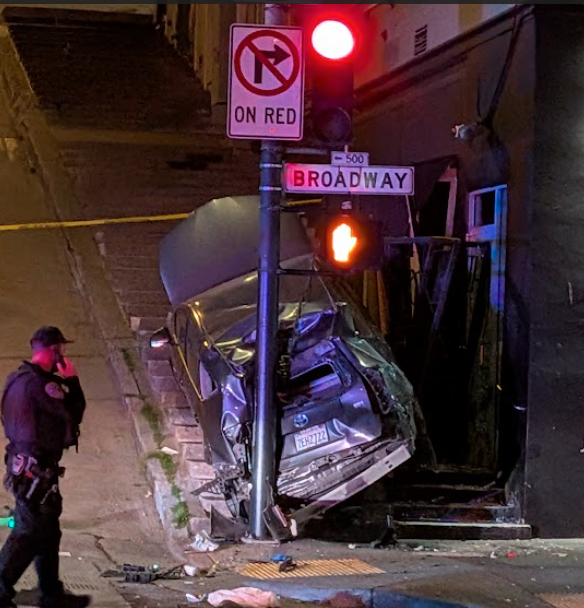
Motorist Careens onto North Beach Sidewalk, Killing Pedestrian
Driver kills pedestrian at another location where a safety project festered
The post Motorist Careens onto North Beach Sidewalk, Killing Pedestrian appeared first on Streetsblog San Francisco.