

Big Transit News: Bush-Era Rule Tossed, Enviro Benefits on the Table


Transportation reformers and members of Congress have long clamored for changes to the federal government’s major transit grant program, otherwise known as “New Starts,” and Transportation Secretary Ray LaHood answered today with an announcement of sweeping changes in the works.
 LaHood made his announcement today at the Transportation Research Board conference. (Photo: AP)
The first move: LaHood’s DOT will rescind a 2005 rule that elevated “cost-effectiveness” above all other criteria used to determine whether a local transit project can receive federal funds. Cost remains a factor in the “New Starts” process, but is no longer given more weight than factors such as congestion relief.
House transportation committee chairman Jim Oberstar (D-MN) and Rep. Pete DeFazio (D-OR), his top lieutenant, quickly issued a statement hailing the reversal of the Bush-era mandate, which is blamed for slowing down transit expansions in several major cities.
“Now we need increased investment dollars to follow this
reform, so that we can move forward with transit projects that
relieve congestion, reduce emissions, increase our energy
independence, and promote more livable communities across the
country,” Oberstar said in a statement. “We must all continue to work
together toward a long-term authorization bill that makes transit
options available to more people.”
The second of the Obama administration’s moves: Environmental and economic benefits will become official factors in evaluating “New Starts” proposals. This change requires a rulemaking by the Federal Transit Administration (FTA), which typically includes a period of public comment, so will not take effect immediately.
In announcing this latter shift, LaHood and FTA chief Peter Rogoff emphasized the need to look at the community-building benefits of transit.
“To
put it simply: We will take livability into account,” LaHood said today. “This
new approach will help us do a much better job aligning our priorities
and values with our investments in transit projects that truly strengthen
communities. We’ll
finally be able to make the case for investing in popular streetcar
projects and other transit systems that people want
– and that our old ways of doing business didn’t value enough.”
Late Update: Rep. Earl Blumenauer (D-OR) weighed in with a statement connecting today’s news to the White House’s broader sustainable communities push:
Rescinding this Bush administration restriction will unleash funding for
important transportation projects across the nation, jumpstarting local
economies and creating good jobs. This means quicker and better funding
for streetcars, light rail, and bus projects that improve transportation,
revive local economies, and reduce global warming pollution. After much hard
work with the administration and my Congressional colleagues, this is an
exciting outcome that will create better and more transportation
opportunities.
Even Later Update: Transportation for America weighs in on LaHood’s announcement on its blog, deeming the changes a positive step but emphasizing that cities and towns are still competing for a limited pot of transit money.
“Even under the old narrow rules for winning approval, only a small
percentage of the many applicants were receiving limited funding,” T4A communications associate Stephen Lee Davis wrote.
The appropriate vehicle for making broad changes to the funding distribution between roads and transit, however, remains the six-year federal transportation bill — which is stalled on the Hill for a number of reasons.
LaHood addressed the ongoing impasse over a new federal bill during his remarks today on the transit rules change, calling fresh six-year legislation a “critical piece of the puzzle.”
“I
recognize there’s a lot of capacity and demand for additional transportation
investments across the country that
neither the stimulus nor a new jobs bill can
provide,” he said. “We
need to empower regional and local transportation authorities to invest
in the kinds of projects that will spur economic growth, enhance livability,
and preserve the qualities that make each area special.”
To help advance those goals in the absence of concrete congressional action, the former GOP lawmaker vowed that U.S. DOT would “pursue more flexible partnerships with
states, MPOs, transportation agencies, and local communities.”

Read More:
Support Streetsblog
More from Streetsblog USA
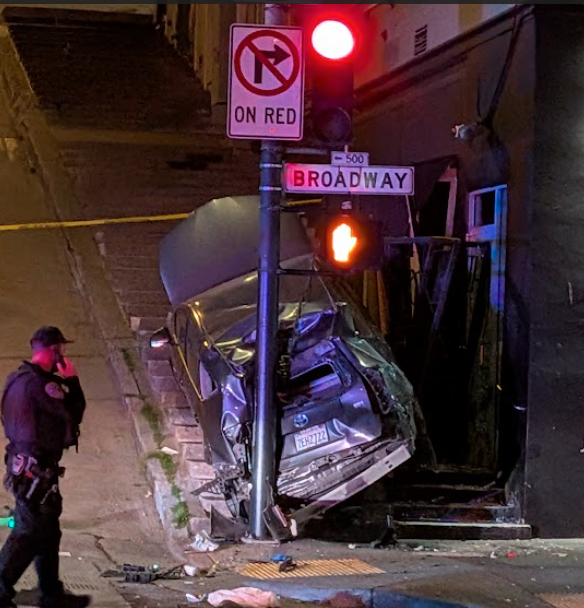
Motorist Careens onto North Beach Sidewalk, Killing Pedestrian
Driver kills pedestrian at another location where a safety project festered
The post Motorist Careens onto North Beach Sidewalk, Killing Pedestrian appeared first on Streetsblog San Francisco.




Comments Are Temporarily Disabled
Streetsblog is in the process of migrating our commenting system. During this transition, commenting is temporarily unavailable.
Once the migration is complete, you will be able to log back in and will have full access to your comment history. We appreciate your patience and look forward to having you back in the conversation soon.