

One More Sign That the Stimulus Traded Infrastructure for Tax Cuts


The independent Congressional Budget Office (CBO) released an economic analysis of the Obama administration’s stimulus law this week, and one chart in particular (see below right, or a larger version here) is getting a lot of attention from bloggers, including Ezra Klein and Ryan Avent.
 (Image: CBO)
The chart’s message, simply put: the elements of the $787 billion bill that had the biggest bang for the buck were aid for state and local infrastructure projects and purchases by the federal government.
Yet the stimulus’ infrastructure provision, at $44 billion, was half the size of the $88 billion investment in federal purchasing programs.
And looking further down the list, the “one-year tax cut for higher-income people” — a.k.a. the alternative minimum tax (AMT) adjustment — jumps out as one of the recovery law’s biggest mistakes.
The AMT, which Congress neglected to index for inflation years ago, is adjusted every year to shield upper-middle-class families from higher tax bills. It’s one of those “must-pass” moves, as this Democratic release puts it, that never fail to get done.
But the AMT fix was added to the stimulus, at a cost of $70 billion, largely thanks to the efforts of Sen. Charles Grassley (R-IA), who promptly voted against the bill — and later calling his state “fortunate” to be getting infrastructure aid.
The House never added an AMT fix to its stimulus bill, but transport committee chairman Jim Oberstar (D-MN) was displeased with the White House’s decision to cut infrastructure provisions in favor of more tax breaks. As the CBO chart shows, those tax cuts also had a smaller economic multiplier effect than transportation spending.
As congressional Democrats craft another round of economic recovery legislation, they may well have learned the lesson from this winter’s stimulus trade-offs. Still, even if infrastructure spending becomes a major focus of the coming jobs bill, it remains to be seen whether the money will be allocated through an actual merit-based process.

Read More:
Support Streetsblog
More from Streetsblog USA
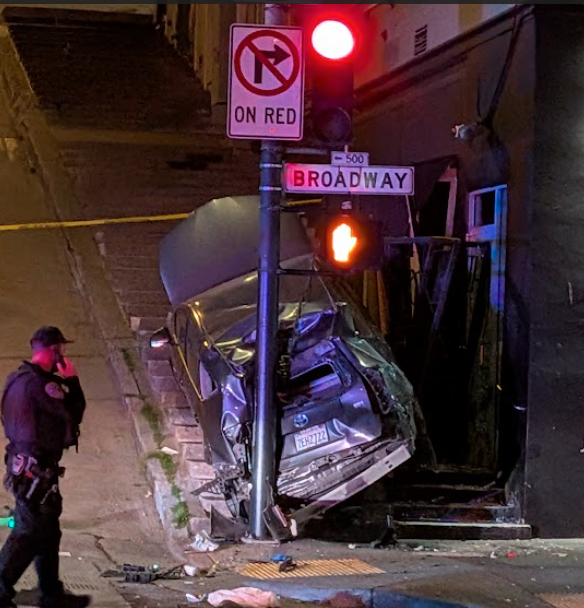
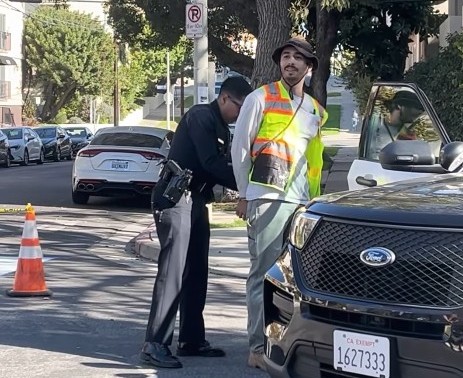
Motorist Careens onto North Beach Sidewalk, Killing Pedestrian
Driver kills pedestrian at another location where a safety project festered
The post Motorist Careens onto North Beach Sidewalk, Killing Pedestrian appeared first on Streetsblog San Francisco.







Comments Are Temporarily Disabled
Streetsblog is in the process of migrating our commenting system. During this transition, commenting is temporarily unavailable.
Once the migration is complete, you will be able to log back in and will have full access to your comment history. We appreciate your patience and look forward to having you back in the conversation soon.