The Wall Street Transportation Tax: Predictably Unpopular On Wall Street

As Congress mulls over solutions to the nation’s transportation funding gap, with an eye to passing new infrastructure legislation to reverse the rising unemployment rate, Rep. Pete DeFazio’s (D-OR) proposed tax on oil futures is picking up new fans in high places.
 Rep. Pete DeFazio (D-OR) (Photo: UPI)
DeFazio’s legislation would levy a 0.2 percent fee on oil futures and a 0.5 percent fee on oil futures options, and a broader version introduced earlier this year would impose a 0.25 percent tax on all stock trades — a compelling option for a White House wary of voter frustration with the financial bailout and in need of new revenue-raising ideas.
But DeFazio’s broader transaction-tax bill has attracted a flurry of dissent from the investment industry. As the chief lobbyist for the Financial Services Roundtable told the Financial Times in August:
We vigorously oppose a tax on the industry. The financial services industry
is a leading sector around the world in producing jobs and providing
people with goods and services they demand. A punitive tax would
unnecessarily restrict the industry, harm shareholders, and ultimately
weaken a key segment in the world economy.
The pension industry is reportedly just as cool on the proposal, and an online petition filed against the broader DeFazio bill lists more than 58,000 signatories. In a pithy summary of Wall Street’s perspective on the bill, one investment adviser titled his blog on the issue “Financial Transaction Taxes Would Cause Stock Market Crash.”
Of course, it’s not surprising that Wall Street would resist the notion of paying more for stock trades, which can be conducted at superhuman rates thanks to computer programs used by banks and hedge funds. But would limiting DeFazio’s tax to speculative trades on oil, widely blamed for last year’s run-up in gas prices, arouse as much opposition?
Perhaps not. Still much depends on the enforcement of the exemption the bill carves out for “legitimate” oil futures trades conducted by truckers, airlines, and other transportation interests that have a business interesting in protecting against sudden shifts in oil prices.
More than 80 percent of oil futures contracts on the New York Mercantile Exchange were held by financial firms “speculating for their clients or for themselves,” according to a 2008 Washington Post investigation. It’s the drawing of that line between firms’ clients and the firms themselves that could hold the key to the tax’s effectiveness — and to its political future.

Streetsblog has migrated to a new comment system. New commenters can register directly in the comments section of any article. Returning commenters: your previous comments and display name have been preserved, but you'll need to reclaim your account by clicking "Forgot your password?" on the sign-in form, entering your email, and following the verification link to set a new password — this is required because passwords could not be carried over during the migration. For questions, contact tips@streetsblog.org.
More from Streetsblog USA
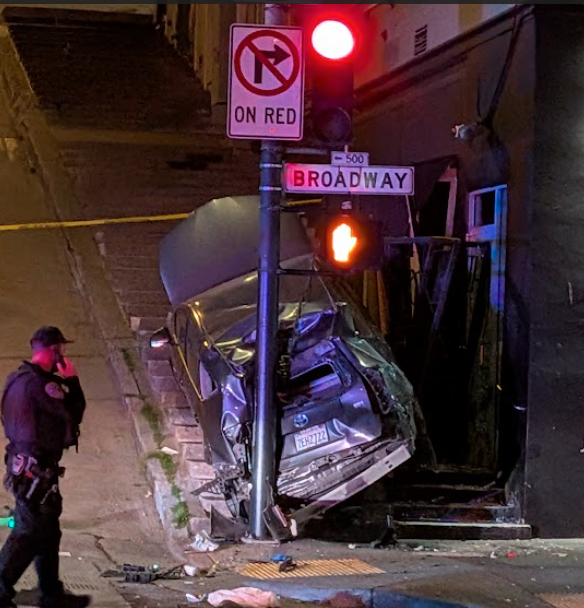
Motorist Careens onto North Beach Sidewalk, Killing Pedestrian
Driver kills pedestrian at another location where a safety project festered
The post Motorist Careens onto North Beach Sidewalk, Killing Pedestrian appeared first on Streetsblog San Francisco.