Seeking Stimulus Money For Bike Sharing, D.C. Looks Beyond Cutting CO2

The Transportation Planning Board (TPB), the Washington D.C. area’s metropolitan planning organization (MPO), recently made a pitch to the U.S. DOT for a share of the economic stimulus law’s $1.5 billion in innovative transport grants. Among the suggested projects was $13 million for bike sharing, enough to expand the D.C. program into a regional network that would use wi-fi internet to guide travelers.
 One of D.C.’s bike sharing terminals. (Photo: Streetfilms)
How did the TPB make the case for federal help with bike-share expansion? At a Capitol briefing held yesterday by the Environmental and Energy Study Institute, TPB planning director Ron Kirby laid out his numbers [PDF].
TPB found that expanding bike-share would pay for itself nearly three times over during the next 20 years, yielding $625 million in benefits at a cost of $231 million. But Kirby emphasized that the estimated emissions reductions of more bike sharing represented a relatively small share of its total benefits.
The project “would not be beneficial on CO2 alone,” Kirby said, adding that the potential time and trip-cost savings of bike-share played a key role in TPB’s proposal.
“Many of these projects have multiple
benefits, and we need to approach it that way,” he added.
Kirby and Caitlin Rayman, assistant secretary for policy at the Maryland DOT, used the briefing to outline their area’s plans to make transportation networks less carbon-dependent and more efficient.
Rayman, however, stressed that not every MPO or state DOT has the experience and skills needed to craft effective plans for cutting transportation emissions — plans that would be legally mandated by the pending congressional climate change bills.
Should the climate bill provision become law, Rayman said, states and MPOs should receive “technical assistance from the federal government” on the process. “I can’t see [it] being a good strategy for state plans or MPO plans to get rejected,” Rayman said.
With the dialogue in Washington starting to consider a substantial future role for MPOs — check out Mark Muro, Matt Yglesias, and Streetsblog coverage from last week for more on this — support appears to be growing for a dedicated federal role in assisting metro area planners.

Streetsblog has migrated to a new comment system. New commenters can register directly in the comments section of any article. Returning commenters: your previous comments and display name have been preserved, but you'll need to reclaim your account by clicking "Forgot your password?" on the sign-in form, entering your email, and following the verification link to set a new password — this is required because passwords could not be carried over during the migration. For questions, contact tips@streetsblog.org.
More from Streetsblog USA
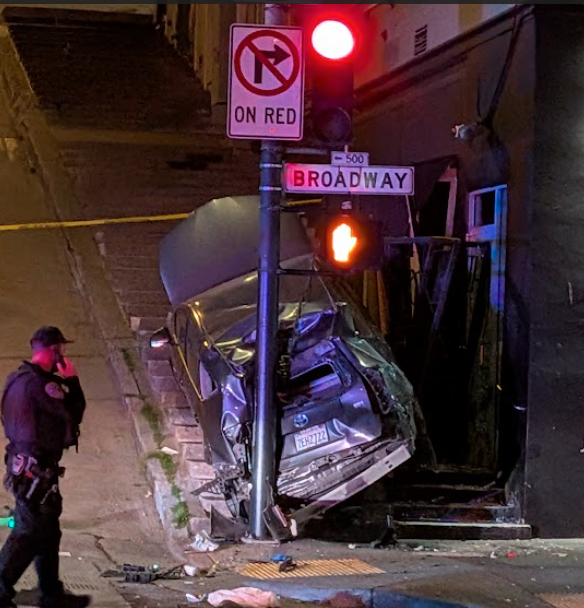
Motorist Careens onto North Beach Sidewalk, Killing Pedestrian
Driver kills pedestrian at another location where a safety project festered
The post Motorist Careens onto North Beach Sidewalk, Killing Pedestrian appeared first on Streetsblog San Francisco.