Senate’s New DOT Spending Bill Eases One Transit Funding Barrier

 An artist’s rendering of the proposed multi-modal Columbia River Crossing, with light rail and a bike path beneath the bridge. (Photo: Oregonian)
During the lengthy process of pursuing a “New Starts” funding agreement with the U.S. DOT, local transit officials are often at the mercy of cost-benefit calculations that have failed to keep pace with evolutions in transport planning. But one aspect of that slog could soon change, thanks to Sen. Patty Murray (D-WA).
When evaluating a bid for federal aid by the Columbia River Crossing (CRC), a proposed multi-modal road and light rail link between Portland and Vancouver, the Federal Transit Administration (FTA) decided to treat the broad project as separate highway and transit efforts — effectively prohibiting state gas taxes and proposed bridge tolls from counting towards the local share of the CRC’s transit costs, as the Oregonian reported.
Murray fired back by using her power as chairman of the Senate Appropriations Committee’s transportation panel to insert a relevant provision in the DOT’s 2010 budget. Her language requires the FTA to calculate the local share of multi-modal transit proposals based on “all local funds incorporated in the unified finance plan” for the project.
Murray’s move, if it survives a conference with the House, should ensure that the CRC’s FTA pitch is evaluated using more appropriate math. Yet Murray’s language would apply across the board, meaning that other regional transport plans blending roads and transit could have an easier time winning federal money for the latter portion of the project — as opposed to just the former.
(h/t Twitter user @cwsjd99)

Streetsblog has migrated to a new comment system. New commenters can register directly in the comments section of any article. Returning commenters: your previous comments and display name have been preserved, but you'll need to reclaim your account by clicking "Forgot your password?" on the sign-in form, entering your email, and following the verification link to set a new password — this is required because passwords could not be carried over during the migration. For questions, contact tips@streetsblog.org.
More from Streetsblog USA
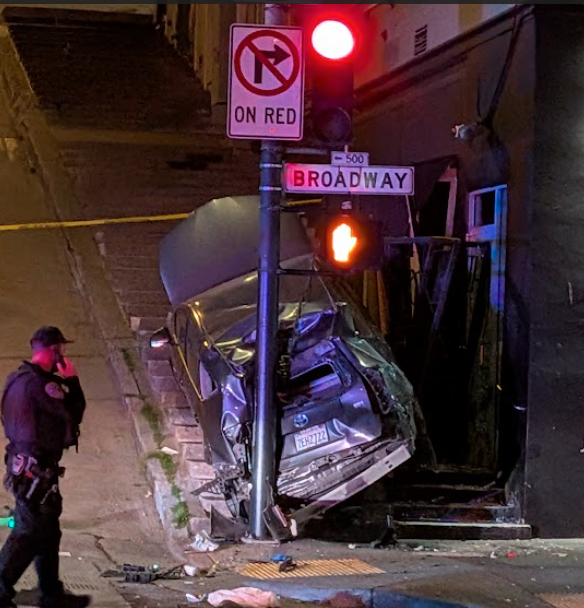
Motorist Careens onto North Beach Sidewalk, Killing Pedestrian
Driver kills pedestrian at another location where a safety project festered
The post Motorist Careens onto North Beach Sidewalk, Killing Pedestrian appeared first on Streetsblog San Francisco.