Would Motorists Pay 15 Cents a Mile for No Traffic?
Congestion pricing may be dead in New York, but the discussion about its merits continues elsewhere. Today, David Alpert at Greater Greater Washington looks at how road pricing could dramatically change the traffic situation in the DC area:
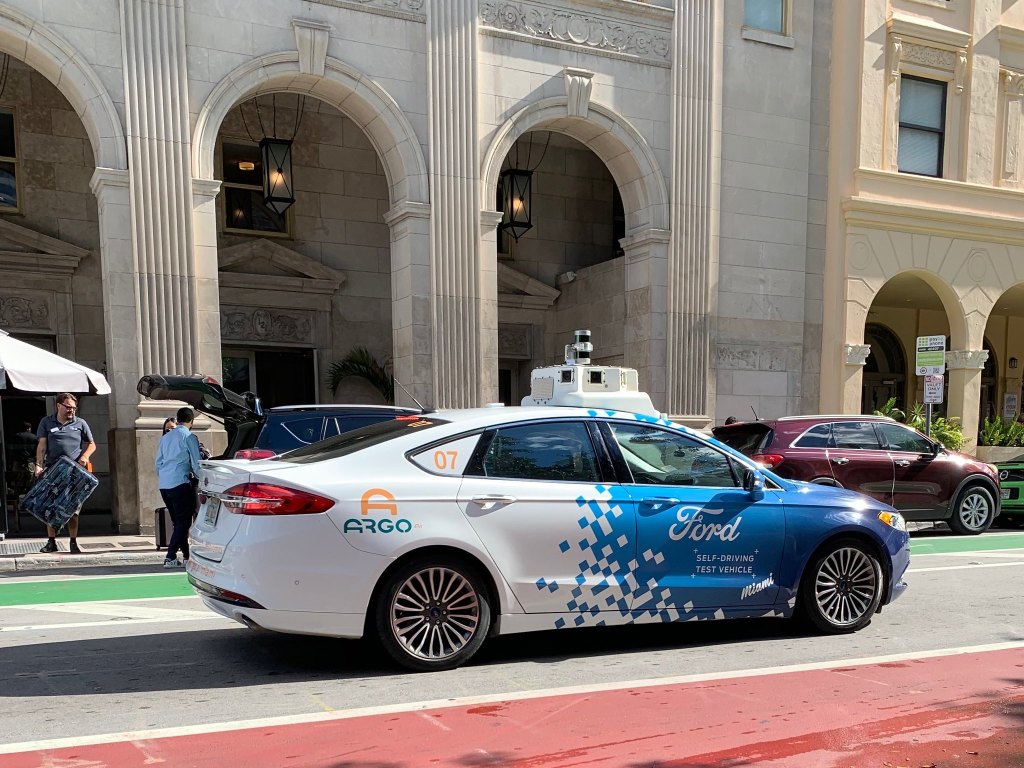
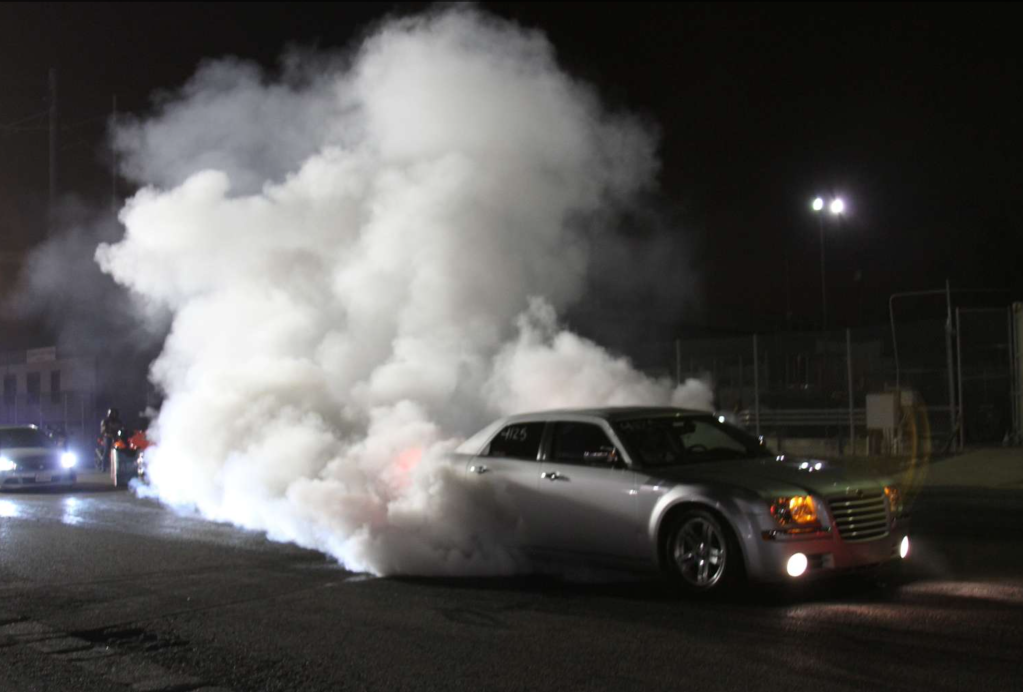
Photo by derang0.
If the Washington region charged around 15 cents per mile for use of the region’s freeways around rush hour, traffic congestion would virtually disappear, the Federal Highway Administration concluded in a recent report. Cutting the number of cars by 10 to 14 percent would actually reduce delays by 75 to 80 percent. A simple, low congestion charge would do just that.
It’s a well documented fact of traffic that congestion isn’t proportional to the number of cars. Adding ten percent of cars doesn’t just lengthen each trip by ten percent. Roadways have a “tipping point,” where free-flowing traffic suddenly turns into stop-and-go gridlock. Once a road “crashes” in this way, it’s very difficult to speed the cars back up. Some regions have tried to manage this problem with metering lights on ramps, which limit the numbers of cars that can
enter. However, drivers chafe at waiting in a long queue to enter a freeway while cars already on the road zip by, creating political pressure to turn off or shorten metering light times…FHWA recommends an initial charge of 15 cents per mile along congested roadways like I-270, I-95, and the Beltway. Carpools of 3 or more people would travel for free, as would buses. Drivers would pay through E-ZPass transponders, avoiding any delays for payment. The major obstacle, as the report points out, is political will.
Ah, yes. Political will.
In other news from around the network, the Active Transportation Alliance reports that the Illinois Legislature has passed a law banning drivers from texting, although it failed to enact proposed protections for pedestrians. This texting law makes a lot more sense than the one just passed in Missouri, which mysteriously only applies to people under 21.

Read More:
Streetsblog has migrated to a new comment system. New commenters can register directly in the comments section of any article. Returning commenters: your previous comments and display name have been preserved, but you'll need to reclaim your account by clicking "Forgot your password?" on the sign-in form, entering your email, and following the verification link to set a new password — this is required because passwords could not be carried over during the migration. For questions, contact tips@streetsblog.org.
More from Streetsblog USA
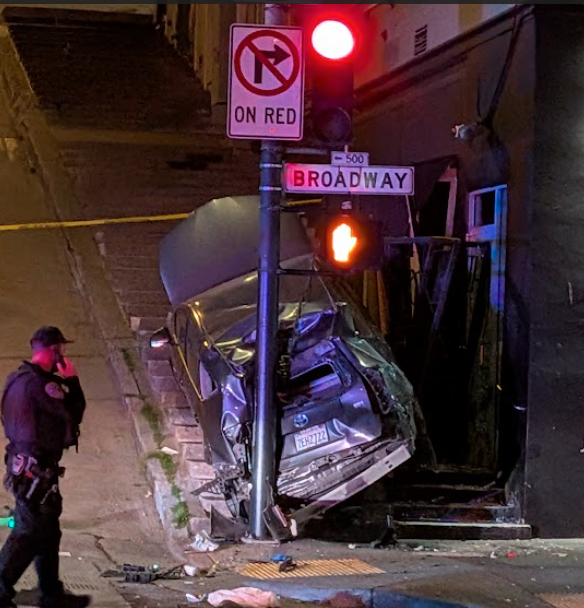
Motorist Careens onto North Beach Sidewalk, Killing Pedestrian
Driver kills pedestrian at another location where a safety project festered
The post Motorist Careens onto North Beach Sidewalk, Killing Pedestrian appeared first on Streetsblog San Francisco.