Congressional Climate Bill Includes ‘Complete Streets’ But Not CLEAN TEA


Henry Waxman (D-CA), chairman of the House Energy and Commerce Committee, has just struck a deal on his long-awaited climate change bill — and though the agreement makes a number of concessions to polluters, it also takes a step forward towards popularizing the cause of “complete streets”.
 House Energy and Commerce Committee Chairman Henry Waxman (D-CA). Photo: pbs.org.
The House climate bill requires every state and metropolitan area with more than 200,000 residents to devise plans for reducing transportation-related carbon emissions. The bill directs states and localities to draft plans that “consider transportation and land use strategies” that encourage transit use, walking and bike riding, as well as equal access by all users.
In short, the House climate bill officially sets “complete streets” principles as planning goals for state and local transportation officials. The DOT and the Environmental Protection Agency (EPA) would enforce the deadlines for each state and local transportation emissions-reduction plan and hand out grants to help areas implement innovative strategies for diminishing auto dependence.
The funding for those grants would have to come from future spending bills, not from the auctions of carbon-emissions permits to polluting industries — the so-called CLEAN TEA plan that Transportation for America and other advocacy groups have been hoping for.
Today’s deal would auction only 15 percent of the emissions permits, giving the rest away free to coal companies, electric utilities and the auto industry. Why did CLEAN TEA fall by the wayside? Sadly, Democrats from coal- and oil-dominant states were prepared to bring down Waxman’s bill unless their hometown industries got emissions permits for free. Even those Democrats who are still fighting to make polluting industries pay for their permits want the revenue to go back to the public in the form of tax credits, rather than to green transportation.
As Waxman’s climate bill takes flak from environmentalists who (rightly) lament its giveaways to industry, should the very presence of “complete streets” language in the bill be considered a minor victory? Or is the climate deal just another example of Congress kowtowing to Big Carbon?

Read More:
Support Streetsblog
Streetsblog has migrated to a new comment system. New commenters can register directly in the comments section of any article. Returning commenters: your previous comments and display name have been preserved, but you'll need to reclaim your account by clicking "Forgot your password?" on the sign-in form, entering your email, and following the verification link to set a new password — this is required because passwords could not be carried over during the migration. For questions, contact tips@streetsblog.org.
More from Streetsblog USA
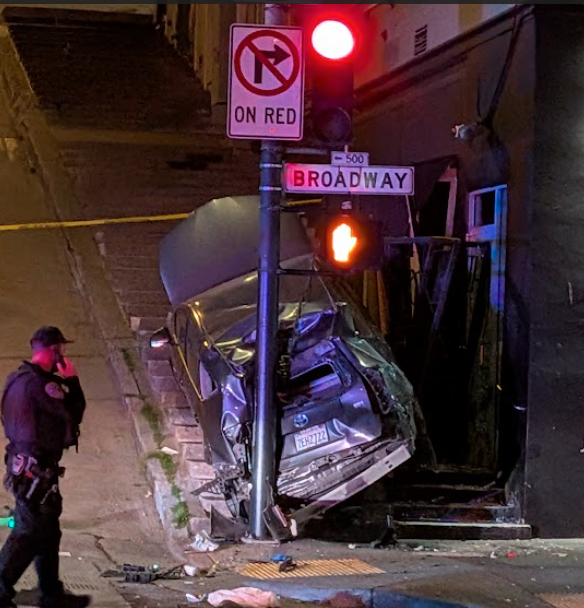
Motorist Careens onto North Beach Sidewalk, Killing Pedestrian
Driver kills pedestrian at another location where a safety project festered
The post Motorist Careens onto North Beach Sidewalk, Killing Pedestrian appeared first on Streetsblog San Francisco.