Meet the New AASHTO?
Today on the Streetsblog Network, member blog Beyond DC has a question: “Where is the old AASHTO and what have you done with them?”
 The question is prompted by “You Told Us,” a shiny new PDF from the American Association of State Highway and Transportation Officials (which Beyond DC describes as “the main professional association for traffic engineers”), the result of a recent campaign soliciting comments from ordinary Americans about what they want in a transportation system:
The pattern that emerges from the document is one advocating for more spending on safety projects, transit projects, and other intermodal projects, rather than a bunch of highway widenings. They want to raise the gas tax, make cycling safer, reduce emissions, encourage smart growth, and change regulatory formulas to level the playing field between cars and other modes.
While the “You Told Us” release is encouraging, there’s plenty about old-school highway expansion in AASHTO’s policy summaries for 2009. But there are positive signs as well, with lots of talk about intercity rail, expansion of public transit, and even this:
Encourage a “Complete Streets” approach to local road design to better meet the needs of those in wheelchairs, bike riders and pedestrians.
What role do you think AASHTO might play as we go forward toward the reauthorization of the transportation spending bill later this year?
Also on the network today: CTA Tattler has the lowdown on the possibility of a post-Blago gas-tax hike in Illinois, while 1000 Friends of Connecticut argues that higher federal gas taxes would do more good than energy-efficient vehicles.

Read More:
Streetsblog has migrated to a new comment system. New commenters can register directly in the comments section of any article. Returning commenters: your previous comments and display name have been preserved, but you'll need to reclaim your account by clicking "Forgot your password?" on the sign-in form, entering your email, and following the verification link to set a new password — this is required because passwords could not be carried over during the migration. For questions, contact tips@streetsblog.org.
More from Streetsblog USA
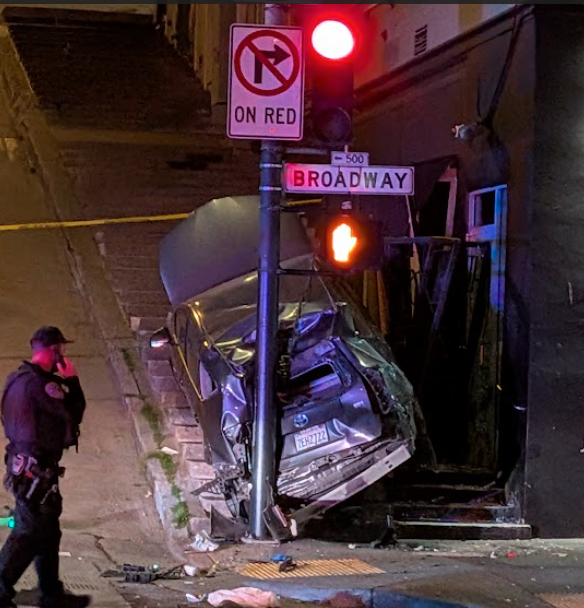
Motorist Careens onto North Beach Sidewalk, Killing Pedestrian
Driver kills pedestrian at another location where a safety project festered
The post Motorist Careens onto North Beach Sidewalk, Killing Pedestrian appeared first on Streetsblog San Francisco.