Contrarian Thinking: Against Transportation
As the two chambers of the Congress haggle over the stimulus plan (see The Transport Politic‘s handy comparison of transpo-related spending in the House and Senate bills), we’ll take a moment to step back and look at the bigger picture, courtesy of Streetsblog Network member blog Where. They have a post entitled “Against Transportation” that poses these questions:
Photo by truffes via Flickr.
Urban transportation: What are we going to do about it? Fewer cars? More mass transit? More bikes? Fuel taxes?
It’s tempting to try solving transportation problems with more transportation. The sight of rush hour traffic jams in cities, or the experience of riding an overcrowded bus or train, suggest the need for increased transit capacity. As a short term solution, that may indeed be the best remedy. In the long run, however, it’s more like supplementing a junk food diet with a few healthy snacks.
Instead, Where cites the work of Christopher Alexander and asks us to imagine this:
[I]t might be a helpful first step to scatter workplaces throughout dense cities…along peripheral transit lines or within walking and biking distance of neighborhood residences. A lot of work disappeared in 2008 and plenty more is sure to vanish in 2009. If and when that work comes back, it doesn’t all need to end up downtown.
Your thoughts?
Also on the network today: Greater City: Providence notes the shoddy quality of new highway infrastructure in Rhode Island, Milwaukee Rising asks why Wisconsin’s governor can’t rein in his road-happy DOT, and the National Journal asks, “How Will We Pay for the Transportation We Need?“

Read More:
Streetsblog has migrated to a new comment system. New commenters can register directly in the comments section of any article. Returning commenters: your previous comments and display name have been preserved, but you'll need to reclaim your account by clicking "Forgot your password?" on the sign-in form, entering your email, and following the verification link to set a new password — this is required because passwords could not be carried over during the migration. For questions, contact tips@streetsblog.org.
More from Streetsblog USA
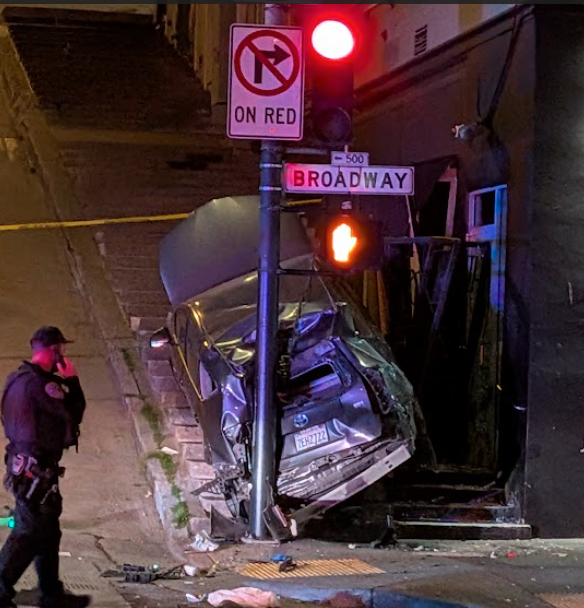
Motorist Careens onto North Beach Sidewalk, Killing Pedestrian
Driver kills pedestrian at another location where a safety project festered
The post Motorist Careens onto North Beach Sidewalk, Killing Pedestrian appeared first on Streetsblog San Francisco.