$36,000,000,000 for Corn. $0 for Transit.
 The House of Representatives recently passed a bill that would provide emergency funding to local transit systems facing simultaneous increases in ridership and fuel costs. The legislation is now stalled in the Senate and the Bush Administration has expressed concern that “transit operators risk becoming permanently reliant upon this type of assistance.” Meanwhile, when it comes to subsidizing Midwestern farmers, ethanol producers, and the operating costs of America’s fleet of private motor vehicles… well, here’s how Michael Daly of the Daily News summed it up in his column yesterday:
New York City has long sent the feds billions more in taxes each year than we get back in services. To give you an idea of one place the money goes, here is what the
feds gave corn farmers to tend their fields in a two-year period: $36
billion.Here is what we got to run the subway: 0
The feds have been reasonable when it comes to helping out with big
projects like the new subway and train tunnels that never get done.
But, we get not a penny toward the day-to-day cost of transporting 4
million straphangers.
I interviewed Larry Hanley a couple of weeks ago. He’s the former Staten Island bus driver (famous for getting up in Rudy Giuliani’s grill, among other things) who now serves as a Vice President of the Amalgamated Transit Union. Negotiating contracts across the Northeast, Hanley is seeing smaller transit systems in places like Lancaster, PA and Albany, NY struggling with increasing operating costs at a time when they are also experiencing record increases in ridership.
With New Yorkers facing a pair of fare hikes and a deteriorating transit system, Hanley is arguing that federal funding in mass transit is an investment in local economies, green jobs, the environment and national defense. “We’ve got a Saudi Arabia’s worth of energy savings beneath the streets of New York City,” Hanley said. “It’s called the subway.”
Photo: Crowded bus in Champaign-Urbana by Benchilada on Flickr.

Read More:
Streetsblog has migrated to a new comment system. New commenters can register directly in the comments section of any article. Returning commenters: your previous comments and display name have been preserved, but you'll need to reclaim your account by clicking "Forgot your password?" on the sign-in form, entering your email, and following the verification link to set a new password — this is required because passwords could not be carried over during the migration. For questions, contact tips@streetsblog.org.
More from Streetsblog USA
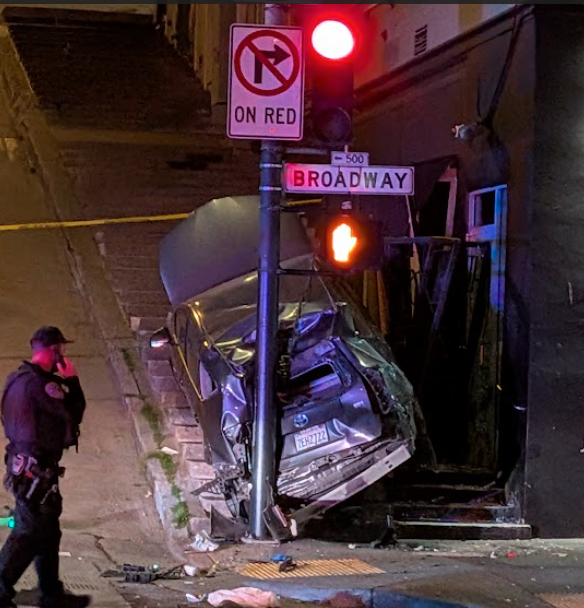
Motorist Careens onto North Beach Sidewalk, Killing Pedestrian
Driver kills pedestrian at another location where a safety project festered
The post Motorist Careens onto North Beach Sidewalk, Killing Pedestrian appeared first on Streetsblog San Francisco.