Electrification of the Region’s Rail


One of those subtle aspects of life that serves to normalize auto transport as the only thing going is the way most maps are designed to barely include railroad tracks and stations, presumably so as to avoid interfering with roads and Interstates and their giant identification shields. But when we plug some fun data into Google mashup mapping, it is clear that the rail system serving the metropolitan area is extensive, probably more extensive than most people realize. This screenshot shows the location of stations served by New York City’s four passenger railroads: Metro-North in blue, NJ Transit in green, the LIRR in red and Amtrak in purple.
Below those pushpins are the roads, where it is hard to imagine that in 30 or 40 years electric cars will not have advanced into everyday use. Electrification of the automobile fleet is rightly seen as a way to continue to enjoy the benefits of mobility while reducing greenhouse gas emissions and ensuring, to borrow a phrase from Congressman Roscoe Bartlett, that none of the money we send oversees to buy oil comes back to us in the form of terrorism. Electrification of the auto fleet is an important project that will take enormous investment if it is to succeed. Electrification of rail transport, on the other hand, was perfected more than a century ago. It has not yet been fully implemented in our area, though it ought to be. Below the fold is a map showing the portions of the New York City regional rail system that remain to be electrified.

Stations marked in green are served by electric trains, those in brown, diesel. There are clearly a lot of sections that remain to be electrified. Specifically, these are:
Long Island Rail Road
- Montauk Branch
- Oyster Bay Branch
- Port Jefferson Branch east of Huntington
- Ronkonkoma Branch east of Ronkonkoma
Metro-North Railroad
- Hudson Line north of Croton-Harmon
- Harlem Line north of Southeast
- Danbury Branch
- Waterbury Branch
- Port Jervis Line
- Pascack Valley Line
New Jersey Transit
- Main Line
- Raritan Valley Line
- Bergen County Line
- North Jersey Coast Line south of Long Branch
- Boonton Line north of Montclair State University
- Pascack Valley Line
Caveats Emptor: 1) Diesel-powered trains are orders of magnitude less polluting than automobiles when measured in terms of people moved per mile. 2) Electricity is generated by burning fossil fuels. But not all of it.

Read More:
Streetsblog has migrated to a new comment system. New commenters can register directly in the comments section of any article. Returning commenters: your previous comments and display name have been preserved, but you'll need to reclaim your account by clicking "Forgot your password?" on the sign-in form, entering your email, and following the verification link to set a new password — this is required because passwords could not be carried over during the migration. For questions, contact tips@streetsblog.org.
More from Streetsblog USA
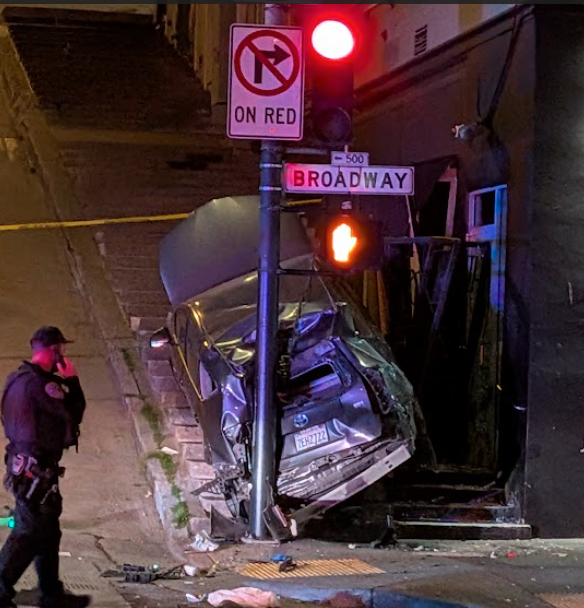
Motorist Careens onto North Beach Sidewalk, Killing Pedestrian
Driver kills pedestrian at another location where a safety project festered
The post Motorist Careens onto North Beach Sidewalk, Killing Pedestrian appeared first on Streetsblog San Francisco.