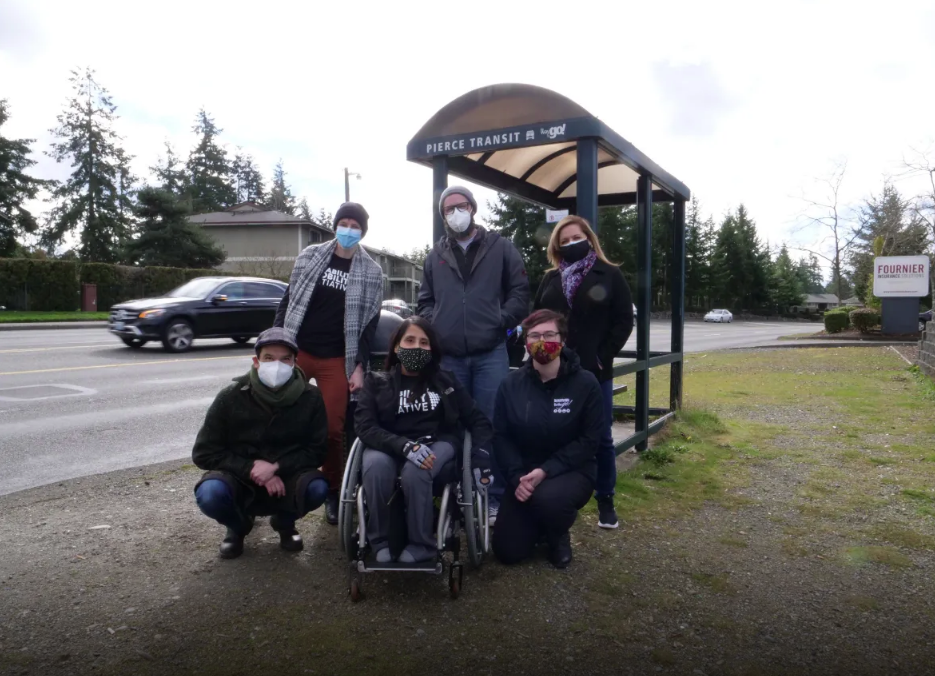
BIPOC and Disability Advocates Zero In on Highway Spending
On March 9, advocacy organizations Front and Centered and Disability Rights Washington held the first of a series of press conferences calling for Washington State legislators to halt spending on new highways. Instead, the coalition urges lawmakers to prioritize investments in building missing sidewalks and creating reliable transit and paratransit systems to serve all Washington towns and cities.

March 26, 2021
How Buffalo Moved Away From Parking Requirements
One promising trend in urban planning is the push from a growing number of U.S. cities to reduce minimum parking requirements for new developments. As the name suggests, parking minimums require developers to build a certain amount of spaces, regardless of whether a community wants or needs them. The result is an excess of parking that can lead to more vehicle pollution, worsen traffic congestion, and drive up housing costs. In some cases, the steep cost of building parking prevents a project from moving forward at all.
March 25, 2021

Boondoggle: ‘Transit Guy’ Chuck Schumer is Foolishly Supporting the Widening of NY Route 17, Locals Say

March 15, 2021
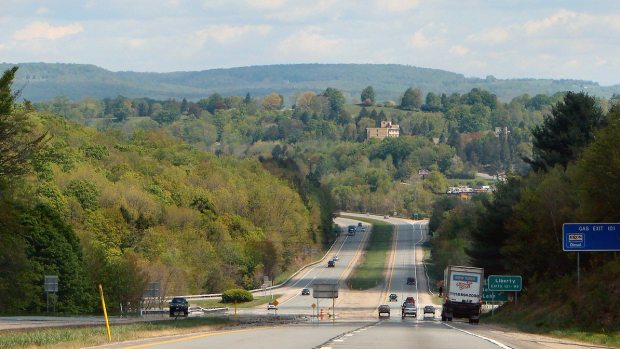
Poll: Too Many Are Skeptical of Vision Zero

January 13, 2021
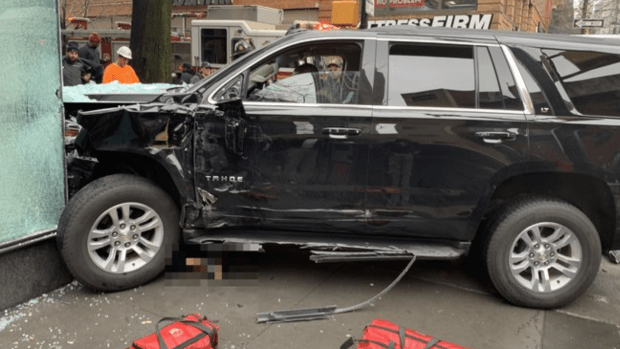
ANALYSIS: So You Wanna Be New York City Mayor, Huh?

December 28, 2020

New York Must Do More To End Racism in Auto Insurance

November 2, 2020

U.S. Auto Insurance Industry Admits Systemic Racism
Auto insurers charge Black drivers with good records more than white drivers with bad records — among other racist practices.
October 23, 2020

How Auto Insurers Subsidize Car Carnage
It costs less to insure an SUV, despite its role in the pedestrian death crisis. And drunk drivers barely pay more for insurance (why can they even get insurance again?).
October 22, 2020
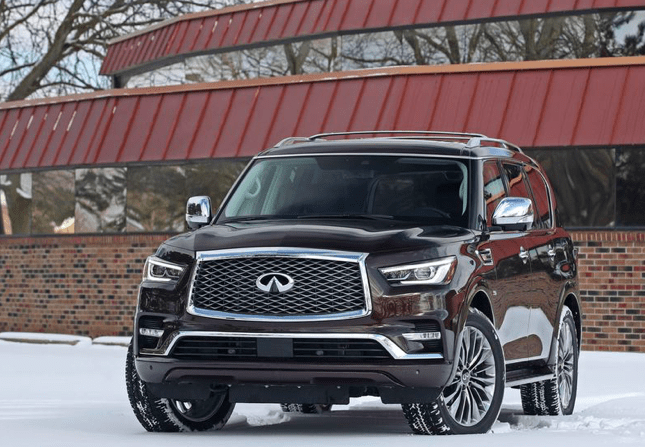
Vision Zero Cities: Experts Foresee Diverse Curbside Uses

October 21, 2020
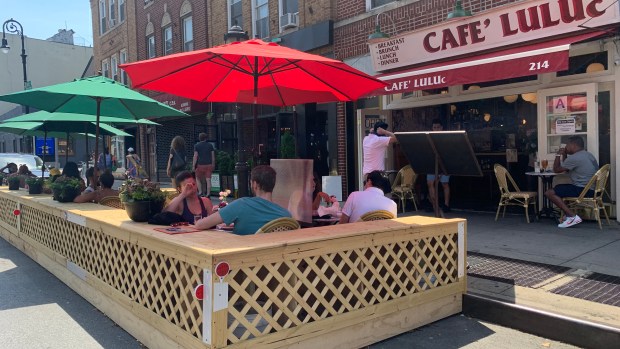
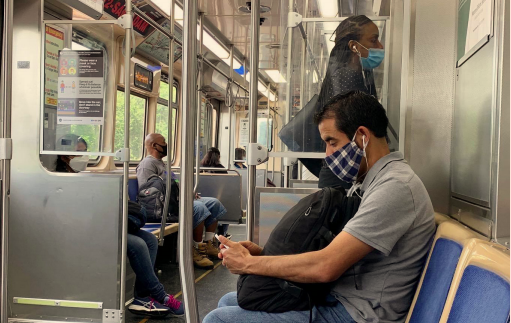
Riders Haven’t Abandoned Transit During COVID — They’re Taking Fewer Trips: Report
A new report reveals major ramifications for cities and for BIPOC communities that rely heavily on transit and have borne the brunt of COVID-19 both as patients and as essential workers.
October 15, 2020