New Report: Road Funding From Non-Road Users Doubled in 25 Years

 (Image: Subsidyscope)
The myth that U.S. roads “pay for themselves” thanks to user fees is a subject that’s likely familiar to many Streetsblog Capitol Hill readers — but just how much of the nation’s highway funding is provided by charging drivers?
The answer may surprise even active critics of the current asphalt-centric transportation system. Between 1982 and 2007, the amount of federal highway revenue derived from non-users of the highway system has doubled, according to a study released today by Subsidyscope.
Analyzing Federal Highway Administration data dating back to 1957, the dawn of the Interstate system, Subsidyscope researchers found that non-users of the highway system contributed $70 billion for nationwide road construction and maintenance in 2007. In 1982, by contrast, highway contributions from non-users totaled just $35 billion (in 2007 dollars).
Today’s study also found that the share of road funding generated by user fees fell to 51 percent in 2007, down from 61 percent just a decade earlier. (The accounting used by Subsidyscope, a joint project of the Pew Charitable Trusts and the Sunlight Foundation, accounted for the use of about one-sixth of federal gas tax revenue to pay for transit.)
What has caused the government’s increasingly rapid dependence on non-road user fees — which more often than not take the form of direct transfers from the Treasury — to pay for roads?
Subsidyscope points out that the federal gas tax has stayed stagnant since 1993, rapidly losing value as inflation climbs, but the growing popularity of bond issuances as a way to pay for new roads is also a factor. According to Subsidyscope’s research, the value of new bonds issued to pay for highways reached $24.7 billion in 2007, up from just $6 billion in new bonds issued in 1982 (converted to 2007 dollars).
Bond offerings, which often represent states and localities playing a greater role in transportation planning, do not guarantee that users will be paying for new highway construction — rather, bonds depend on market conditions to allow a successful leveraging of debt, and the recent economic downturn has forced many governments to limit their bonding plans.

Streetsblog has migrated to a new comment system. New commenters can register directly in the comments section of any article. Returning commenters: your previous comments and display name have been preserved, but you'll need to reclaim your account by clicking "Forgot your password?" on the sign-in form, entering your email, and following the verification link to set a new password — this is required because passwords could not be carried over during the migration. For questions, contact tips@streetsblog.org.
More from Streetsblog USA
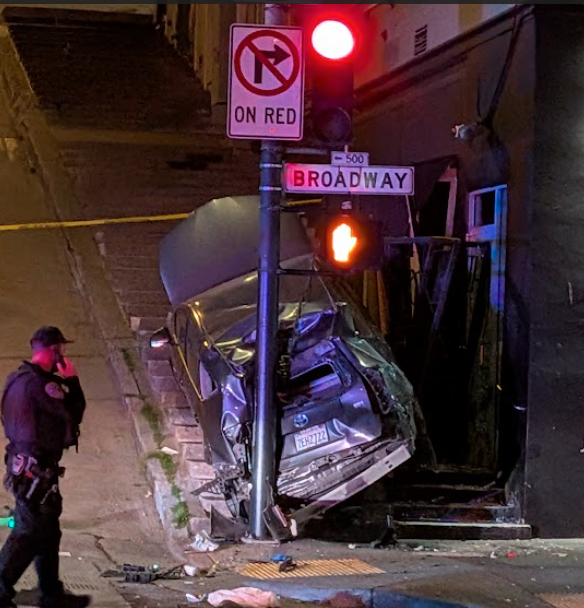
Motorist Careens onto North Beach Sidewalk, Killing Pedestrian
Driver kills pedestrian at another location where a safety project festered
The post Motorist Careens onto North Beach Sidewalk, Killing Pedestrian appeared first on Streetsblog San Francisco.